
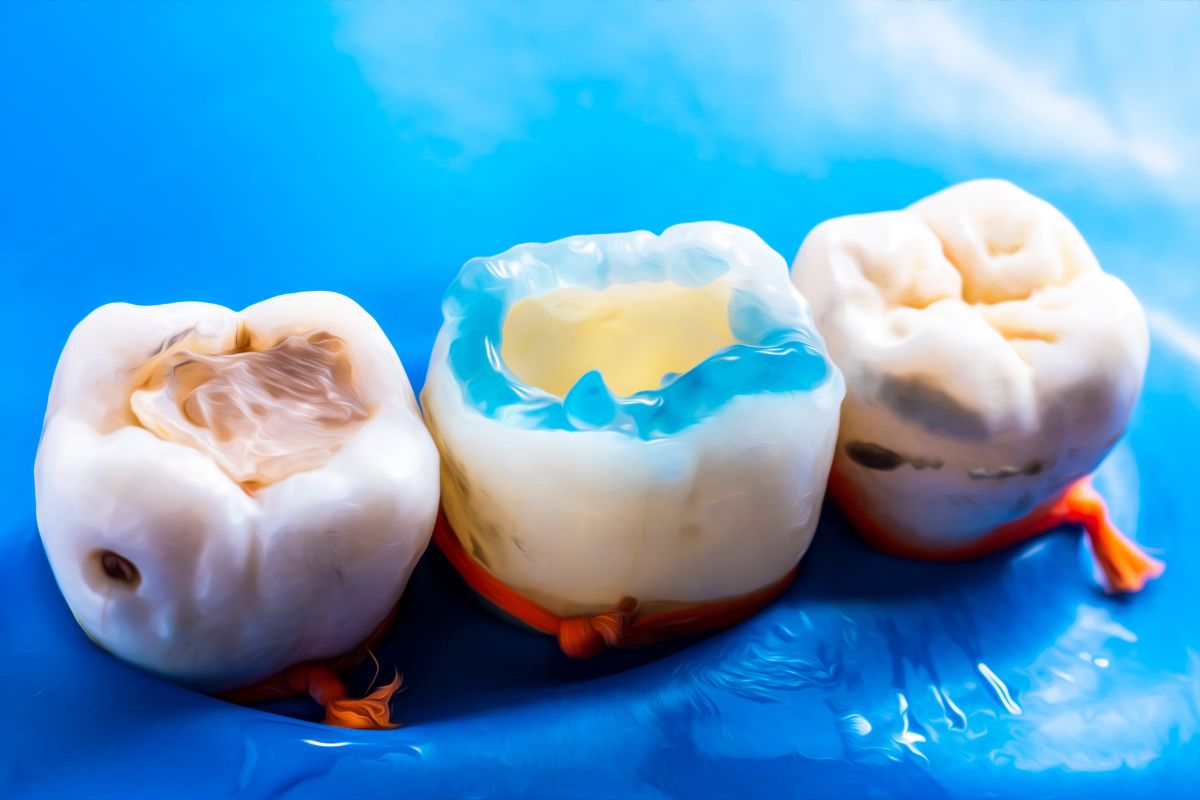
A dental filling can restore a tooth after decay, but fillings do not last forever. Over time, normal chewing, grinding, and everyday wear can affect a restoration. Knowing the worn filling replacement signs can help you recognize changes before they turn into a larger dental problem. One Eleven Dental in Bixby can evaluate an existing filling and determine whether it still provides the protection your tooth needs.
Some worn fillings cause noticeable symptoms. Others may look completely normal to you. Therefore, routine dental examinations remain important even when the tooth feels fine.
A filling that has started to break down may allow bacteria to reach areas around the restoration. In some cases, the tooth itself can also become weaker.
What Causes a Filling to Wear Down?
Fillings deal with pressure every time you chew. As years pass, that repeated force can affect the material.
The type of filling, its location, its size, and your bite can all influence how long it remains effective.
For example, a large filling on a back tooth may experience significant chewing pressure. Likewise, people who grind or clench their teeth may place additional stress on their restorations.
If you have concerns about an older filling, our Bixby dentist at One Eleven Dental can examine the restoration and check the surrounding tooth.
Worn Filling Replacement Signs to Watch For
A filling does not always fail suddenly. Instead, changes may develop gradually.
New Tooth Sensitivity
Sensitivity to cold, hot, sweet, or acidic foods can sometimes indicate a problem around a filling. However, sensitivity can have many causes.
For that reason, do not assume that every sensitive tooth needs a replacement filling. A dental examination can help identify the actual cause.
A Rough or Uneven Surface
You may notice that a previously smooth filling now feels rough with your tongue. The filling may also feel different when you bite.
Such changes do not automatically mean the restoration has failed. Still, they are worth mentioning during a dental visit.
A Cracked or Broken Filling
A filling can chip or break under repeated pressure. You might notice a sharp edge when your tongue touches the tooth.
If part of a filling breaks away, food can also become trapped around the affected area. Consequently, the dentist should examine the tooth.
Food Getting Stuck Around the Tooth
If food repeatedly catches around a filling, the restoration or surrounding tooth may have changed.
This can make cleaning the area more difficult. Over time, trapped plaque and food can contribute to decay or gum irritation.
Pain When Biting
Pain or pressure when chewing deserves attention. It can sometimes occur when a filling has changed or when the tooth underneath has another problem.
Because several dental conditions can cause biting pain, an examination is important before deciding on treatment.
Can a Filling Wear Out Without Pain?
Yes. A filling can develop wear without causing obvious discomfort.
That is one reason routine examinations matter. A dentist can inspect the restoration, check the tooth around it, and determine whether the filling remains stable.
Dental X-rays may also help when the dentist needs to evaluate areas that cannot be seen directly.
Therefore, waiting for pain is not always the best way to monitor older dental work.
How Dentists Decide if a Filling Needs Replacement
A dentist considers several factors before recommending replacement.
Condition of the filling: The dentist checks for cracks, chips, gaps, wear, and changes in shape.
Condition of the tooth: The natural tooth around the filling also needs evaluation.
Signs of decay: New decay can develop around or beneath a restoration.
Bite pressure: Excessive force from clenching or grinding can affect both the filling and tooth.
Size of the restoration: Larger fillings may leave less natural tooth structure around them.
The dentist may recommend monitoring a filling that remains stable. On the other hand, replacement may make sense if the restoration no longer protects the tooth properly.
What Happens When a Filling Needs Replacement?
The exact process depends on the condition of the tooth and restoration.
First, the dentist examines the area. X-rays may be used when needed.
If replacement is appropriate, the old material may be removed. The dentist then cleans the area and evaluates the remaining tooth structure.
Next, the dentist places a new restoration using a material appropriate for the tooth.
In some cases, a filling may no longer provide enough support. If significant tooth structure has been lost, the dentist may discuss another restorative option.
Therefore, replacement does not always mean simply placing another filling.
How Long Do Dental Fillings Last?
There is no universal lifespan for every filling. Different materials and different teeth experience different levels of stress.
Your oral hygiene also matters. So do diet, bite forces, and whether you grind your teeth.
A filling can remain functional for many years, but regular monitoring helps determine whether it continues to perform well.
Instead of focusing only on the age of a filling, consider its current condition. An older filling may still be stable, while a newer restoration may require attention after unexpected damage.
Habits That Can Protect Your Fillings
You cannot prevent every filling problem, but several habits can reduce unnecessary stress.
- Brush twice daily with fluoride toothpaste.
- Clean between your teeth regularly.
- Avoid chewing hard objects.
- Do not use your teeth to open packages.
- Limit frequent sugary snacks and drinks.
- Wear a recommended nightguard if you grind your teeth.
- Keep regular dental examinations.
If you notice a change, mention it rather than waiting for it to become painful.
When Should You Call the Dentist?
Some changes can wait for a routine appointment, while others deserve prompt attention.
Contact your dental office sooner if you experience:
- Significant or persistent tooth pain
- Facial or gum swelling
- A broken tooth
- A large piece of filling falling out
- Severe sensitivity
- Difficulty chewing
- Signs of infection
A damaged filling can expose parts of the tooth that need protection. Therefore, prompt evaluation may help prevent the problem from becoming more complicated.
Why Regular Checkups Help Protect Restorations
Existing dental work needs attention just like natural teeth do.
During a checkup, your dentist can monitor fillings and compare them with previous examinations. This helps identify gradual changes that may be difficult to notice at home.
Meanwhile, professional cleanings can remove plaque and tartar from areas that are harder to clean yourself.
Regular care also gives you an opportunity to discuss grinding, sensitivity, food trapping, or other changes.
The Bottom Line
Fillings are designed to restore damaged teeth, but they can wear down over time. Changes such as sensitivity, rough edges, cracks, food trapping, or pain when biting may signal that a restoration needs attention.
However, symptoms alone cannot determine whether replacement is necessary. A dentist needs to examine the filling and the tooth before recommending treatment.
If you have an older filling or have noticed changes in a restored tooth, you can schedule an appointment for an evaluation.