
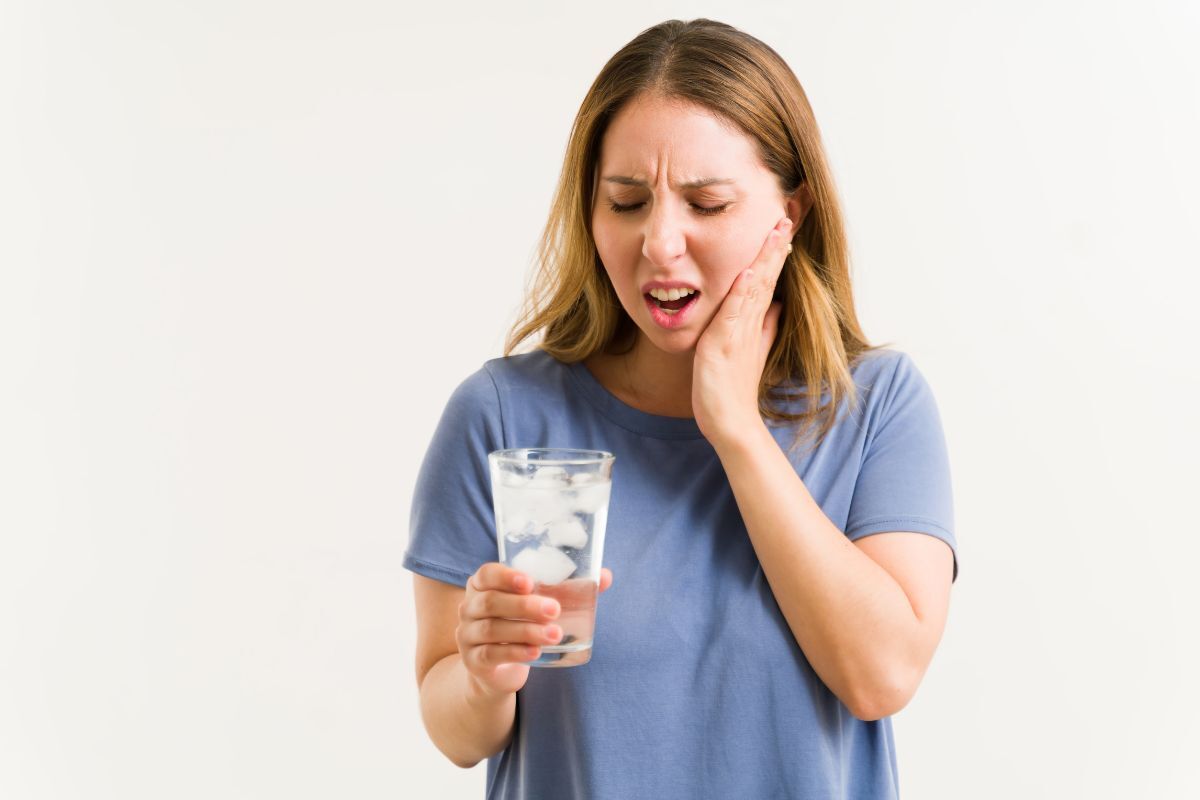
Sensitive teeth can make everyday activities like drinking coffee, enjoying ice cream, or even brushing your teeth uncomfortable. If you notice a sharp, sudden pain when your teeth come into contact with hot, cold, sweet, or acidic foods, you are not alone. Many people experience tooth sensitivity at some point in their lives. At One Eleven Dental in the heart of Bixby, patients receive personalized care to identify the cause of tooth sensitivity and find treatment options that provide lasting relief. Understanding why sensitivity happens is the first step toward protecting your smile and enjoying your favorite foods again.
Although occasional discomfort may seem harmless, ongoing sensitivity should never be ignored. In many cases, it signals an underlying issue that becomes easier to treat when caught early.
What Are Sensitive Teeth?
Sensitive teeth develop when the protective outer layer of your teeth, called enamel, becomes thinner or when your gums recede and expose the dentin underneath. Dentin contains tiny channels that connect directly to the nerves inside your teeth.
When hot, cold, sweet, or acidic substances reach these channels, the nerves respond with a quick, sharp pain.
Sensitivity may affect:
- One tooth
- Several teeth
- The front teeth
- The back teeth
- An entire area of your mouth
Some people notice discomfort only occasionally, while others experience it every day.
What Causes Sensitive Teeth?
There is no single cause of sensitive teeth. Instead, several factors may contribute to the problem.
If you are looking for a trusted dentist in Bixby to help with sensitive teeth, One Eleven Dental offers personalized evaluations to identify the underlying cause of your discomfort. Rather than simply treating the symptoms, the team focuses on finding solutions that protect your long-term oral health and help you feel comfortable again.
Some of the most common causes include:
Worn Tooth Enamel
Daily wear, aggressive brushing, and acidic foods can slowly wear away enamel.
Once enamel becomes thinner, the dentin underneath becomes more exposed.
Gum Recession
As gums pull away from the teeth, the sensitive root surfaces become exposed.
Gum recession often develops because of:
- Gum disease
- Brushing too hard
- Aging
- Tobacco use
Tooth Decay
A cavity allows bacteria to reach deeper parts of the tooth, increasing sensitivity.
Early treatment prevents the problem from becoming more serious.
Cracked Teeth
Small cracks may expose the inner layers of the tooth.
Pain often becomes worse while chewing or when eating hot or cold foods.
Teeth Grinding
Grinding or clenching places excessive pressure on teeth.
Over time, this habit wears down enamel and increases sensitivity.
Recent Dental Treatment
Some patients notice temporary sensitivity after procedures such as fillings, crowns, whitening treatments, or professional cleanings.
In many cases, this discomfort improves within a few days.
Common Symptoms of Sensitive Teeth
Each patient experiences sensitivity differently.
You may notice:
- Sharp pain when drinking cold beverages
- Discomfort while eating ice cream
- Pain with hot coffee or tea
- Sensitivity to sweets
- Discomfort when breathing cold air
- Pain while brushing or flossing
Symptoms may come and go, or they may gradually become more noticeable over time.
When Should You See a Dentist?
Many people try to ignore sensitive teeth, hoping the discomfort will disappear on its own.
However, you should schedule an evaluation if:
- Sensitivity lasts more than a few days.
- Pain becomes more severe.
- One tooth feels significantly more sensitive than the others.
- You may notice swelling or bleeding gums.
- Chewing becomes uncomfortable.
- You experience pain without eating or drinking anything.
Early evaluation often helps prevent more complex treatment later.
How Sensitive Teeth Are Diagnosed
Finding the exact cause of sensitivity is the key to choosing the right treatment.
During your appointment, your provider may:
Review Your Symptoms
You will discuss when the sensitivity started and what triggers the discomfort.
Examine Your Teeth and Gums
Your provider checks for cavities, gum recession, cracks, worn enamel, and other concerns.
Take Digital X-rays
X-rays help detect problems beneath the surface that cannot be seen during a visual examination.
Once the cause is identified, your provider can recommend the most appropriate treatment.
Treatment Options for Sensitive Teeth
Treatment depends on the cause of your sensitivity.
Desensitizing Toothpaste
Special toothpaste helps block pain signals traveling from the tooth surface to the nerve.
Regular use often provides gradual improvement.
Fluoride Treatments
Professional fluoride applications strengthen enamel and reduce sensitivity.
Bonding Materials
If exposed root surfaces are causing discomfort, your provider may apply bonding material to protect the area.
Treatment for Gum Disease
Healthy gums protect tooth roots.
If gum disease causes gum recession, treating the infection becomes an important part of reducing sensitivity.
Restorative Treatment
If a cavity, cracked tooth, or damaged filling causes sensitivity, restoring the tooth often eliminates the problem.
Nightguards for Teeth Grinding
If you grind your teeth while sleeping, a custom nightguard helps protect enamel from additional wear.
Daily Habits That Help Reduce Tooth Sensitivity
Healthy habits play an important role in preventing future discomfort.
Try these simple tips:
- Brush gently using a soft-bristled toothbrush.
- Use toothpaste designed for tooth sensitivity.
- Floss every day.
- Limit acidic foods and beverages.
- Drink water after acidic meals.
- Avoid chewing ice.
- Wear a nightguard if you grind your teeth.
- Keep regular preventive appointments.
Small changes in your daily routine can make a noticeable difference over time.
Can Sensitive Teeth Be Prevented?
Although not every cause can be avoided, many cases are preventable.
You can lower your risk by:
- Maintaining excellent oral hygiene
- Visit your provider regularly
- Treating cavities early
- Managing gum disease promptly
- Protecting your teeth during sports
- Avoid overly aggressive brushing
Preventive care remains one of the most effective ways to reduce future sensitivity.
Living with sensitive teeth should not become part of your daily routine. Whether your discomfort comes from worn enamel, gum recession, tooth decay, or another cause, early diagnosis makes treatment more effective and helps protect your long-term oral health. The sooner you address the problem, the sooner you can enjoy eating, drinking, and smiling without discomfort.
If you’re ready to find lasting relief from sensitive teeth, schedule an appointment with One Eleven Dental in Bixby today and visit our dental office to receive personalized care designed to restore your comfort and protect your smile for years.