
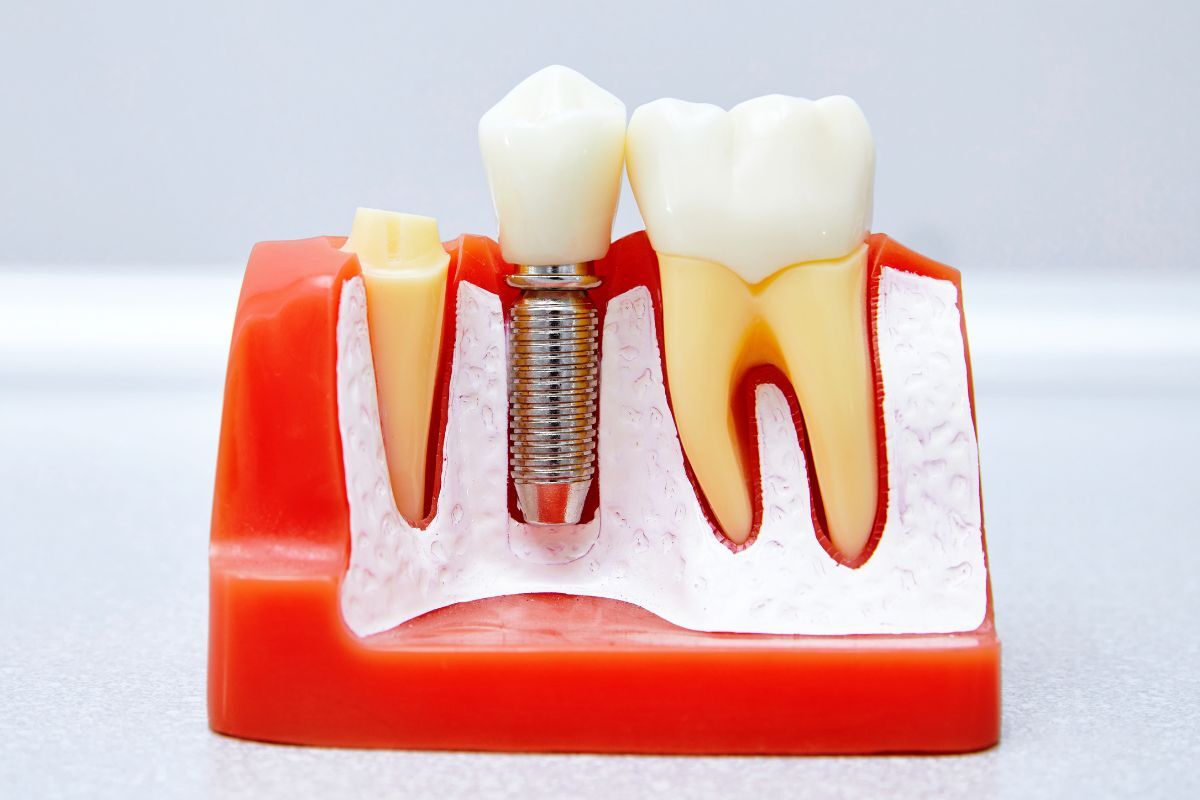
If your dentist has recommended bone grafting before implants, you may wonder why it is necessary and what the process involves. Understanding bone grafting before implants can help you feel more confident about your treatment. At One Eleven Dental in Bixby, our team focuses on personalized care so you can make informed decisions about restoring your smile.
A missing tooth affects more than your appearance. Over time, the jaw can lose strength because it no longer receives stimulation from the tooth root. As a result, there may not be enough support for the implant. Fortunately, modern grafting techniques can help rebuild the area and create a stable foundation for long-lasting dental implants. Whether you meet with Dr. Tej Lad or Dr. Cameron Craig, you can expect compassionate care, advanced technology, and a treatment plan designed around your needs.
What Is Bone Grafting Before Implants?
Bone grafting before implants is a procedure that rebuilds areas of the jaw that have lost volume or strength. The added graft material encourages your body to produce new tissue, creating the support needed for a successful implant.
Your dentist may recommend this procedure if:
- You lost a tooth several months or years ago.
- Gum disease reduces jaw support.
- An injury affected your mouth.
- The jaw naturally lacks enough width or height.
- You want the strongest possible foundation for implant treatment.
Not every patient needs a graft. Your dentist will evaluate your mouth with digital imaging to determine whether additional support is necessary before implant placement.
Why Some Patients Need This Procedure
When a tooth is missing, the surrounding jaw gradually shrinks because it no longer receives regular stimulation. The longer the space remains untreated, the greater the loss may become.
At One Eleven Dental, patients considering dental implants often receive a comprehensive evaluation before treatment begins. If bone grafting before implants is recommended, Dr. Tej Lad or Dr. Cameron Craig will explain every step and answer your questions so you understand exactly why the procedure benefits your smile. The practice combines modern technology with thoughtful, patient-focused care to help create predictable outcomes.
Common Reasons for Jaw Support Loss
Several factors can reduce jaw volume, including:
- Tooth extraction without replacement
- Advanced gum disease
- Dental infections
- Facial trauma
- Long-term denture use
- Natural aging
Early treatment often reduces the need for more extensive procedures later.
Types of Grafting Procedures
Your dentist will choose the right option based on your specific needs.
Socket Preservation
This procedure takes place immediately after a tooth extraction. It helps maintain the natural shape of the jaw and prepares the site for a future implant.
Ridge Augmentation
If significant tissue has disappeared after tooth loss, ridge augmentation rebuilds the area prior to implant placement.
Sinus Lift
Patients replacing upper back teeth sometimes need additional support below the sinus. A sinus lift creates enough space for successful implant placement.
Graft Materials
Dentists may use different materials, including:
- Your own tissue
- Donor tissue from a certified tissue bank
- Animal-derived materials that meet strict safety standards
- Synthetic materials
Each option offers different advantages depending on your clinical situation.
What Happens During the Procedure?
Understanding the process often reduces anxiety.
Step 1: Comprehensive Examination
Your dentist performs a complete evaluation using digital X-rays and 3D imaging to measure the available support.
Step 2: Treatment Planning
Next, your provider determines:
- Whether grafting is necessary
- Which technique fits your needs
- Whether implant placement can occur immediately or later
Step 3: Graft Placement
Your dentist numbs the treatment area before placing the graft material. In many cases, the appointment is completed comfortably with local anesthesia. Sedation options may also be available for patients with dental anxiety.
Step 4: Healing
Your body gradually creates new tissue around the graft. Healing commonly takes several months, although the exact timeline varies from patient to patient.
Recovery Tips After Bone Grafting Before Implants
Healing plays an important role in treatment success.
To support recovery:
- Follow your dentist’s instructions carefully.
- Eat soft foods for several days.
- Keep the area clean.
- Avoid smoking or tobacco products.
- Attend every follow-up appointment.
- Take prescribed medications as directed.
Most patients return to normal daily activities within a short period, although complete healing continues underneath the surface.
Bone Grafting Before Implants vs. Immediate Implant Placement
Many patients wonder if they can receive an implant right away instead of having a graft first. The answer depends on the condition of the jaw and the amount of support available.
Bone grafting before implants is usually the best choice when the jaw has lost volume after tooth loss, gum disease, or an injury. The procedure rebuilds the area and creates a stronger foundation for the implant. Although this approach adds healing time, it often improves long-term stability and success.
On the other hand, immediate implant placement may work if the extraction site has enough healthy support and there is no active infection. This option can reduce the overall treatment timeline, but it is not suitable for every patient. Your dentist will carefully evaluate your oral health before recommending it.
Here is a simple comparison in paragraph form:
- Bone grafting before implant is recommended when additional support is needed before placing an implant.
- Immediate implant placement only works when the existing jaw structure provides enough stability.
- Grafting requires extra healing time, but it helps create a stronger and more predictable foundation.
- Immediate placement can shorten treatment, although not every patient qualifies for this approach.
- Your dentist will always recommend the option that offers the safest and most successful long-term outcome for your smile.
This format keeps the content reader-friendly, avoids tables, and remains SEO-friendly while naturally using the keyword bone grafting before implants.