
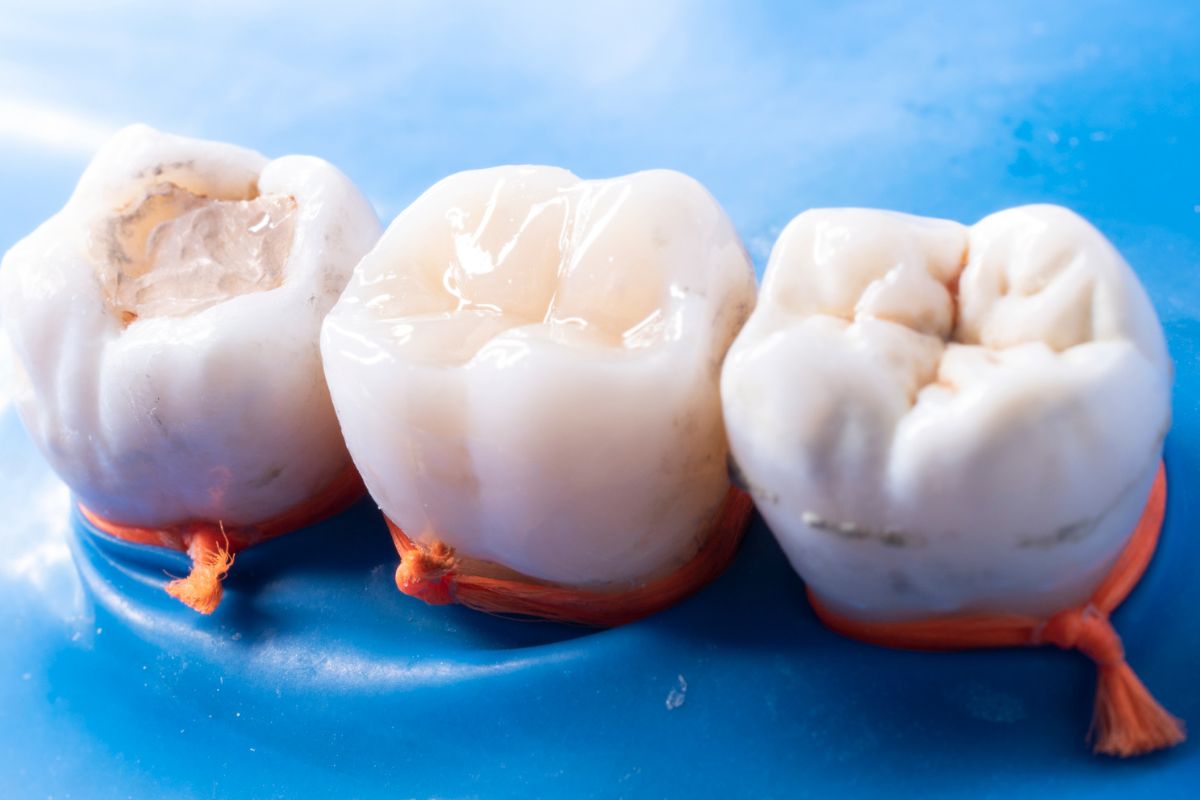
Composite bonding can improve the appearance of chipped, uneven, or discolored teeth without requiring extensive dental work. However, composite bonding stains may develop over time, especially when the material comes into frequent contact with strongly colored foods and drinks. Understanding why discoloration happens can help you maintain a natural-looking smile.
At One Eleven Dental in Bixby, patients considering cosmetic improvements can benefit from learning how bonding materials respond to everyday habits. Although composite resin can blend closely with natural enamel, it does not behave exactly like a natural tooth. Therefore, good home care and routine dental visits play an important role in keeping bonded teeth looking their best.
Why Does Composite Bonding Change Color?
Composite bonding uses a tooth-colored resin that a dentist shapes and bonds to the tooth. The material can repair small chips, close certain gaps, improve tooth shape, and cover some visible imperfections.
However, composite resin may absorb pigments or develop surface discoloration over time. Natural enamel and composite resin also respond differently to whitening products and polishing.
Surface Stains from Food and Drinks
Coffee, tea, red wine, dark sauces, and other strongly colored foods and drinks can leave pigments on bonded surfaces. Frequent exposure may contribute to discoloration, especially when you sip or snack throughout the day.
Smoking and tobacco use can also stain bonding material. In addition, plaque buildup can make teeth and bonded areas appear dull or yellow.
Changes in the Bonding Material
Composite resin can gradually wear as you chew and brush. Over time, its surface may become rougher, allowing pigments and plaque to collect more easily.
The resin may also change appearance as it ages. These changes do not necessarily mean the bonding has failed, but your dentist may recommend polishing, repair, or replacement depending on the condition.
Differences Between Natural Teeth and Resin
Your natural teeth can develop stains too. However, the resin used for bonding does not respond to whitening treatments in the same way as natural enamel.
As a result, whitening your natural teeth may create a color mismatch between your teeth and the bonded areas. Planning whitening before cosmetic bonding can help your dentist select a suitable resin shade.
How to Prevent Composite Bonding Stains
Daily habits can make a meaningful difference in the appearance of bonded teeth. While you cannot prevent every change over time, you can reduce common sources of discoloration.
Limit Frequent Exposure to Staining Drinks
Coffee, tea, and dark beverages do not have to disappear from your routine. However, reducing frequent exposure may help preserve the appearance of the resin.
Consider these habits:
- Drink water after consuming strongly colored beverages.
- Avoid slowly sipping coffee or tea over several hours.
- Rinse your mouth with water after meals when brushing is not practical.
- Use a straw for suitable cold drinks when it helps reduce contact with front teeth.
- Keep up with regular brushing and flossing.
Rinsing with water can help clear some residue, although it will not remove every stain. Also, avoid brushing aggressively immediately after acidic drinks because acid can temporarily soften the tooth surface.
Maintain a Consistent Oral Hygiene Routine
Brush twice a day with a soft-bristled toothbrush and fluoride toothpaste. Clean between your teeth daily to remove plaque from areas that brushing may miss.
Choose products that are suitable for your teeth and ask your dentist before using highly abrasive whitening toothpaste. Excessive abrasion can wear the resin’s surface and may make it more likely to look dull.
If you notice discoloration around the edges of a bonded tooth, arrange an examination. The change may involve surface staining, plaque, or a gap that needs professional attention.
Which Foods and Habits Can Affect Bonding?
You do not need to avoid every food that could stain your teeth. Instead, focus on frequency, oral hygiene, and protecting the bonded area from unnecessary wear.
Foods and Drinks to Watch
Common sources of discoloration include:
- Coffee and black tea.
- Red wine and dark fruit juices.
- Berries and deeply colored sauces.
- Tomato-based sauces and certain spices.
- Dark soft drinks.
The effect depends on the material, its surface condition, and how often it encounters these substances. Therefore, occasional consumption does not automatically mean your bonding will stain.
Habits That Can Damage the Resin
Some behaviors cause physical damage rather than simple discoloration. Chewing ice, biting fingernails, opening packages with your teeth, and biting very hard objects can chip or crack bonded areas.
Grinding or clenching can also place repeated pressure on the resin. If you notice worn edges, sensitivity, or recurring chips, ask your dentist whether a protective night guard or another treatment may help.
At One Eleven Dental in Bixby, patients interested in improving their smile can discuss cosmetic bonding as part of a personalized treatment plan tailored to their dental needs and smile goals.
Can a Dentist Remove Stains from Composite Bonding?
In many cases, a dentist can improve surface discoloration through professional cleaning and polishing. The right approach depends on whether the stain sits on the surface or reflects a deeper change in the resin.
Professional Cleaning and Polishing
A dentist may polish the bonded surface to remove certain external stains and restore a smoother finish. The process can also help remove plaque and buildup around the restoration.
However, not every stain can be polished away. If the material has changed color internally or sustained damage, polishing alone may not restore its original appearance.
Repairing or Replacing the Bonding
When discoloration is extensive, the resin may need repair or replacement. Your dentist can examine the material, check its edges, and determine whether it still fits securely against the tooth.
Replacement may also be appropriate when bonding has chipped, worn down, or no longer blends well with neighboring teeth. The decision depends on the condition of the restoration and your cosmetic goals.
Why Home Whitening May Not Work
Whitening toothpaste and bleaching products primarily target natural tooth surfaces. They do not reliably change the underlying shade of composite resin.
Consequently, trying to whiten stained bonding at home may produce uneven results. Strong abrasive products may also damage the surface. A dentist can help determine whether cleaning, polishing, whitening of natural teeth, or bonding replacement makes the most sense.
How Long Does Composite Bonding Last?
Composite bonding can last several years, although its lifespan varies from person to person. The location of the restoration, your bite, the amount of pressure on the tooth, and your home care habits all affect durability.
Bonding on an edge that frequently bites into hard foods may wear faster than material placed in a less exposed area. Similarly, grinding and clenching can increase the risk of chips.
To support longer-lasting results:
- Attend routine dental checkups.
- Keep your teeth and gums clean.
- Avoid biting hard objects.
- Follow your dentist’s instructions after treatment.
- Report rough edges, chips, or changes in color.
- Ask about protective options if you grind your teeth.
Regular examinations help your dentist monitor the material and recommend maintenance before a minor issue becomes more noticeable.
What to Ask Before Getting Composite Bonding
If you are considering bonding, discuss your expectations and daily habits with your dentist before treatment.
Useful questions include:
- Which type of resin will best match my natural teeth?
- How should I care for the material at home?
- Will my coffee or tea habits affect the expected appearance?
- Could teeth whitening help before bonding?
- How often might polishing or repair be needed?
- Would another cosmetic treatment suit my goals better?
Your dentist can explain the benefits and limitations of bonding based on your teeth, bite, and desired results. This conversation helps you choose a treatment that fits your needs rather than relying on appearance alone.
Keep Your Bonded Smile Looking Natural
Composite bonding can create a more even, natural-looking smile, but the resin may develop surface stains, wear, or color changes over time. Limiting frequent exposure to staining substances, maintaining good oral hygiene, and avoiding damaging habits can help preserve its appearance. Professional polishing or replacement may help when discoloration does not respond to routine care.
One Eleven Dental in Bixby can help you understand your cosmetic options and care for existing restorations. Schedule your appointment to discuss composite bonding, stain prevention, and ways to maintain a natural-looking smile.