
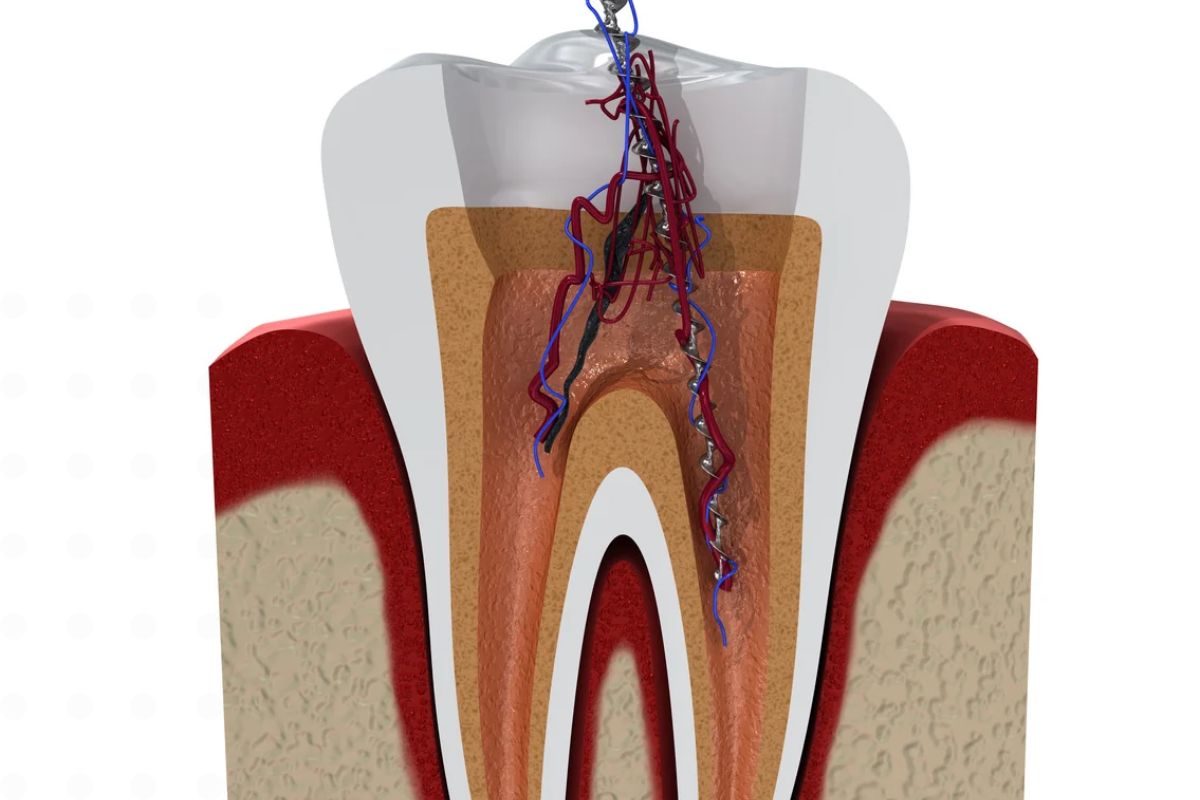
A root canal usually helps relieve pain caused by inflammation or infection inside a tooth. However, some people notice discomfort weeks or months after treatment. If you experience root canal tooth pain months later, the cause may involve your bite, the tooth’s restoration, a crack, or a problem that needs further treatment.
At One Eleven Dental in Bixby, understanding the source of recurring tooth pain starts with a careful examination. A previously treated tooth can feel different from a healthy tooth, but new, persistent, or worsening discomfort should not be ignored. The good news is that several causes of post-treatment pain can be identified and managed with appropriate dental care.
Why Can a Root Canal Tooth Hurt Again?
Root canal treatment removes inflamed or infected tissue from inside a tooth. The dentist then cleans and seals the root canals to help prevent further infection. In many cases, the tooth receives a filling or crown to restore its strength and function.
Although treatment often resolves the original problem, healing takes time. In addition, the tooth and surrounding tissues may face new problems after the procedure.
If pain returns, the first step is to determine whether it comes from the treated tooth, the surrounding gums, the jaw, or a nearby tooth. This distinction matters because similar symptoms can have different causes.
For example, a tooth that hurts only when you bite may have a different problem from one associated with swelling or a persistent bad taste. Therefore, describe your symptoms clearly when you seek care.
Common Causes of Root Canal Tooth Pain Months Later
Inflammation Around the Root
The tissues surrounding a tooth root may remain sensitive during healing. Pressure from chewing can sometimes trigger discomfort, particularly after a complex procedure.
However, pain that begins after a symptom-free period deserves attention. Persistent inflammation may indicate that the area has not healed as expected or that another issue has developed.
A Bite That Feels Too High
A new filling or crown can occasionally sit slightly higher than the surrounding teeth. As a result, the treated tooth may absorb too much pressure when you bite.
You might notice that the tooth touches first when you close your mouth. It may feel sore during meals, even though you do not experience pain while resting.
Your dentist can check how your teeth meet and adjust the restoration when appropriate. Do not attempt to reshape a filling or crown yourself.
A New or Persistent Infection
Sometimes, bacteria remain in a complex root canal system or enter the tooth again through a damaged restoration. A new infection may also develop if the seal around the tooth fails.
Possible warning signs include:
- Increasing pain or pressure.
- Swelling around the gum or face.
- A recurring pimple-like bump on the gum.
- Pus or a persistent unpleasant taste.
- Tenderness when biting.
These symptoms warrant prompt dental evaluation. Fever or facial swelling can indicate a more serious infection, so contact a dentist promptly. Seek emergency medical care if you develop difficulty breathing or swallowing.
A Cracked Tooth or Damaged Crown
Root canal treatment does not make a tooth immune to fractures. In fact, a tooth that has lost significant structure may need a crown for protection.
A crack can develop from chewing hard foods, grinding your teeth, or everyday biting forces. A loose, broken, or leaking crown may also allow bacteria to reach the underlying tooth.
If you notice a sharp pain when biting or a visible change in your restoration, avoid putting extra pressure on the tooth until a dentist evaluates it.
When Root Canal Tooth Pain Needs Attention
The type and duration of pain can help guide the next step. However, symptoms alone cannot confirm the cause.
Mild Discomfort Versus Persistent Pain
Some tenderness may occur after treatment, particularly during the initial healing period. It should generally improve rather than become progressively worse.
Months later, new pain is different from expected early healing. Contact your dentist if discomfort returns, lasts several days, interferes with eating, or becomes more intense.
Pain That Spreads or Affects Sleep
Pain that radiates toward the jaw, ear, or nearby teeth can make the source difficult to identify. Similarly, pain that wakes you at night may indicate a problem that needs prompt evaluation.
Do not assume the treated tooth is always responsible. A neighboring tooth may have decay, gum disease, or another condition that produces similar symptoms.
The root canal therapy offered by One Eleven Dental provide a useful starting point for understanding this treatment and discussing concerns about a previously treated tooth.
How a Dentist Finds the Cause
A dental examination can help distinguish healing-related tenderness from a problem involving the root, crown, or surrounding structures.
Your dentist may ask when the pain started, whether it occurs during chewing, and whether the tooth felt normal between treatment and the return of symptoms.
The evaluation may include:
- Visual inspection: The dentist checks the crown, filling, gumline, and visible tooth structure.
- Bite assessment: Testing how the teeth meet can reveal excessive pressure on the treated tooth.
- Gum examination: The dentist checks for swelling, tenderness, drainage, or a deep pocket near the root.
- Dental X-rays: Images can help identify changes around the root or other signs of a problem.
- Additional testing: Depending on the findings, the dentist may assess neighboring teeth or recommend further imaging or specialist evaluation.
Not every problem appears clearly on a standard X-ray. Therefore, your dentist may combine several tests before recommending treatment.
What Treatment Might Be Needed?
Treatment depends on the cause of the pain. A dentist should confirm the diagnosis before recommending a procedure.
Bite Adjustment or Restoration Repair
If a high filling or crown creates excess pressure, a minor adjustment may relieve the discomfort. A damaged or poorly sealed restoration may need repair or replacement.
Root Canal Retreatment
If bacteria remain inside the root canal system or re-enter the tooth, retreatment may be an option. During this procedure, a dentist or endodontist reopens the tooth, cleans the canals again, and seals them.
The choice depends on the tooth’s condition, the location of the problem, and the likelihood of successful healing.
Apical Surgery
In selected cases, a specialist may recommend surgery near the root tip when the problem persists and conventional retreatment is not suitable or has not resolved it.
Extraction
If the tooth has a severe fracture or cannot be restored, removal may be necessary. Your dentist can discuss replacement options when appropriate.
Importantly, pain does not automatically mean the root canal failed. A careful diagnosis helps prevent unnecessary treatment.
What You Can Do Before Your Appointment
While waiting for an examination, take steps to avoid further irritation.
- Eat softer foods and chew on the opposite side.
- Avoid hard, sticky, or very hot or cold foods if they trigger discomfort.
- Brush gently and keep the area clean.
- Follow the label instructions for any over-the-counter pain medicine you can safely take.
- Do not place aspirin directly on the tooth or gum.
- Avoid using leftover antibiotics without medical advice.
Antibiotics do not repair a cracked tooth or correct a bite problem. When a dental infection is present, definitive dental treatment may still be necessary.
If swelling, fever, or worsening pain develops, contact a dental professional promptly rather than waiting for a routine visit.
How to Protect a Tooth After Root Canal Treatment
Long-term care helps protect the treated tooth and surrounding gums. Although no restoration lasts forever, good habits can reduce the risk of additional problems.
- Follow your dentist’s instructions for the final crown or restoration.
- Brush twice daily with fluoride toothpaste.
- Clean between teeth daily.
- Attend regular dental examinations.
- Avoid chewing ice or other very hard objects.
- Discuss a night guard if you grind or clench your teeth.
- Seek care if a crown feels loose, chips, or changes how your teeth meet.
Investigate Pain After a Root Canal
Pain that returns months after root canal treatment can result from inflammation, an uneven bite, a cracked tooth, a damaged restoration, or a persistent infection. Because these conditions require different treatments, a dental examination is the best way to identify the cause.
One Eleven Dental in Bixby can evaluate your symptoms and help you understand the next steps for your oral health. Schedule your appointment if your treated tooth hurts again, especially if the pain persists or worsens.