
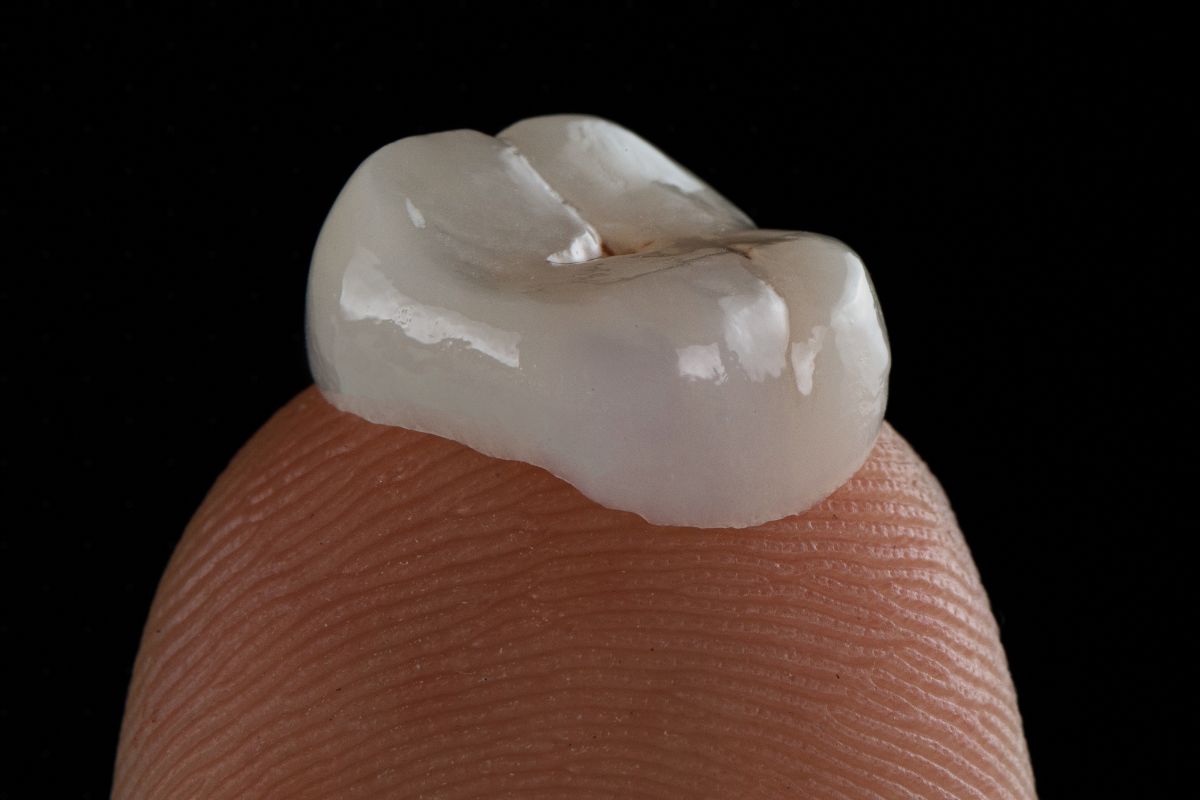
A dental crown fell out situation can catch you by surprise, especially when you are eating, brushing, or getting ready for work. Although it may not always cause pain, the exposed tooth can become sensitive or suffer further damage. If this happens, stay calm and take a few simple steps to protect your tooth until you receive professional care.
At One Eleven Dental in Bixby, Oklahoma, patients can seek help with restorative care that protects damaged teeth and supports a healthy smile. Knowing what to do when a crown comes loose can help you avoid unnecessary discomfort and reduce the risk of further problems.
What Should You Do First When a Crown Falls Out?
If your crown comes off, focus on protecting the exposed tooth and arranging a dental appointment. Acting promptly can help prevent additional damage.
1. Find and Save the Crown
Look for the crown and pick it up carefully. Hold it by the sides rather than touching the inner surface more than necessary.
-
Rinse it gently with lukewarm water if it looks dirty.
-
Avoid scrubbing it with a toothbrush or using harsh cleaning products.
-
Store it in a clean, small container.
-
Bring it to your appointment, even if it looks damaged.
Your dentist may be able to reuse the original crown if it remains intact and fits the tooth properly. However, the dentist must first check both the crown and the underlying tooth.
2. Protect the Exposed Tooth
After a crown falls out, the underlying tooth may feel rough, sensitive, or uncomfortable. Keep the area clean and avoid putting unnecessary pressure on it.
As a Bixby dentist at One Eleven Dental, the team can evaluate the exposed tooth, identify why the crown came loose, and recommend the right next step for your situation.
Until your appointment, try these practical steps:
-
Brush the area gently with a soft-bristled toothbrush.
-
Rinse your mouth with warm salt water if the area feels irritated.
-
Chew on the opposite side of your mouth.
-
Avoid very hot, cold, sticky, or hard foods if they trigger discomfort.
-
Keep food debris away from the exposed tooth.
Do not ignore the problem just because you feel no pain. The tooth may still need attention to prevent further damage.
Why Did the Crown Come Out?
A restoration can stay in place for many years, but it may loosen or fall out for several reasons. Finding the cause helps your dentist decide whether to reattach it or recommend a different treatment.
Common Reasons a Crown Falls Out
-
The cement weakens: Dental cement holds the restoration in place. Over time, it can lose its grip.
-
Tooth decay develops: Bacteria can cause decay around or beneath the crown, changing how well it fits.
-
The tooth becomes damaged: A crack or fracture in the underlying tooth can affect its support.
-
You bite down on something hard: Ice, hard candy, or other tough foods can put too much pressure on the restoration.
-
You grind or clench your teeth: Repeated pressure during sleep or throughout the day can loosen or damage dental work.
-
The crown becomes worn: Years of chewing and everyday use can affect its fit or condition.
Sometimes, a crown comes out without any obvious warning. Even so, the dentist should examine the tooth to identify the cause and reduce the chance of the same problem happening again.
Can You Put a Crown Back in Yourself?
You may feel tempted to put the restoration back over the tooth, especially if it fits into place easily. However, you should not force it or use household glue.
What About Temporary Dental Cement?
Some pharmacies sell temporary dental cement for short-term use. It may help in certain situations, but it is not right for every case. A damaged tooth, an incorrect fit, or a change in your bite can make self-replacement unsafe.
If you cannot reach your dentist immediately, call the office for instructions before trying to reattach it. Never use superglue, nail glue, or other household adhesives. These products are not designed for use inside your mouth and can damage the tooth or surrounding tissues.
Also, do not sleep with a loose restoration in your mouth. It could come off while you sleep and create a choking risk.
Does a Fallen Crown Count as a Dental Emergency?
Not every loose crown requires a trip to an emergency department. However, you should contact a dental office promptly, even if the tooth does not hurt. A dentist can determine how quickly you need treatment.
Signs You Need Urgent Dental Care
Seek prompt dental attention if you notice:
-
Severe or worsening tooth pain
-
Swelling in your gums, face, or jaw
-
A sharp edge that cuts your tongue or cheek
-
A broken tooth beneath the restoration
-
Persistent bleeding
-
A fever or signs of infection
Get emergency medical care if you develop difficulty breathing or swallowing, or swelling that spreads rapidly through your face or neck. These symptoms can indicate a serious infection.
If the crown comes out without pain or swelling, keep the area clean, avoid chewing on that side, and arrange a dental appointment as soon as practical. Do not wait several weeks simply because the tooth feels normal.
What Will the Dentist Do to Fix It?
The right treatment depends on the condition of the original restoration and the tooth underneath it. Your dentist will examine the area and may take dental X-rays to check for decay, cracks, or other damage that is not visible during a regular examination.
One Eleven Dental offers crown treatment and general dentistry services in Bixby. The practice describes its approach as focused on discussing each patient’s circumstances and determining whether a crown is the best way to protect or improve a tooth.
Option 1: Reattach the Original Crown
If the crown remains intact and the tooth underneath it is healthy, your dentist may clean the area and reattach the original restoration with suitable dental cement.
Before doing so, the dentist will check its fit and your bite. Reattachment may not be possible if the crown no longer fits correctly or the tooth has changed.
Option 2: Repair or Replace the Crown
If the restoration has a crack, a damaged edge, or a poor fit, your dentist may recommend a replacement. The dentist will assess the remaining tooth structure before choosing the next step.
Option 3: Treat Decay or Damage First
Sometimes, the restoration falls out because decay or a fracture has weakened the tooth. In that case, the dentist may need to treat the underlying problem before placing a new crown.
Depending on the extent of the damage, treatment may include a filling, root canal therapy, or another restorative procedure. If the tooth cannot be saved, the dentist will explain appropriate replacement options.
The goal is not simply to put the crown back. It is to protect the remaining tooth, restore comfortable chewing, and help prevent further complications.
How Can You Prevent a Crown From Falling Out Again?
You cannot prevent every crown problem, but good daily habits can help protect your restoration and the natural tooth underneath it.
Follow These Everyday Tips
-
Brush twice daily: Use fluoride toothpaste and a soft-bristled toothbrush to clean your teeth and the gumline.
-
Floss carefully: Clean between your teeth every day. Slide the floss gently rather than snapping it against the gums.
-
Avoid chewing hard objects: Do not bite ice, hard candy, pen caps, or similar objects.
-
Limit sticky foods: Chewy candy and similar foods can put extra stress on dental work.
-
Address teeth grinding: If you grind or clench your teeth, ask your dentist whether a custom night guard may help.
-
Attend routine dental visits: Regular examinations allow your dentist to check for loose restorations, cracks, and decay before they become bigger concerns.
The tooth beneath a restoration still needs daily care. Plaque can collect around the edges, and bacteria may cause decay if you do not clean the area properly. Regular checkups also help your dentist monitor the condition of existing dental work.
Frequently Asked Questions
Can I wait a few days if my crown falls out and nothing hurts?
Contact your dentist promptly and follow their advice on timing. The absence of pain does not rule out decay or damage. In the meantime, keep the area clean and avoid chewing on that side.
Will the tooth hurt after the crown comes out?
It may or may not hurt. Some people notice sensitivity to hot, cold, sweet, or acidic foods, while others feel no discomfort. The level of pain does not always show how serious the problem is.
Should I keep the crown if it looks broken?
Yes. Place the pieces in a clean container and bring them to your appointment. Your dentist can assess the damage and decide whether repair or replacement makes more sense.
Can a dentist reuse the same crown?
Sometimes. If the restoration remains intact, fits correctly, and the underlying tooth has not changed significantly, the dentist may be able to reattach it. A damaged crown or a tooth affected by decay may require a different solution.
What should I eat until my appointment?
Choose soft foods that require little chewing, such as scrambled eggs, yogurt, oatmeal, or mashed potatoes. Avoid hard, crunchy, sticky, and very hot or cold foods if they trigger sensitivity. Chew on the opposite side whenever possible.
Get Your Smile Checked After a Crown Falls Out
When a dental crown fell out, the best response is to stay calm, save the restoration, protect the exposed tooth, and contact a dentist promptly. Avoid household glue and do not force the crown back into place. Even if you feel no pain, an examination can help identify why it came loose and whether the tooth needs additional treatment.
If your crown has come out or feels loose, schedule an appointment with One Eleven Dental, for an evaluation and appropriate restorative care. Call 918-369-6118 to discuss your concern and arrange your visit.