
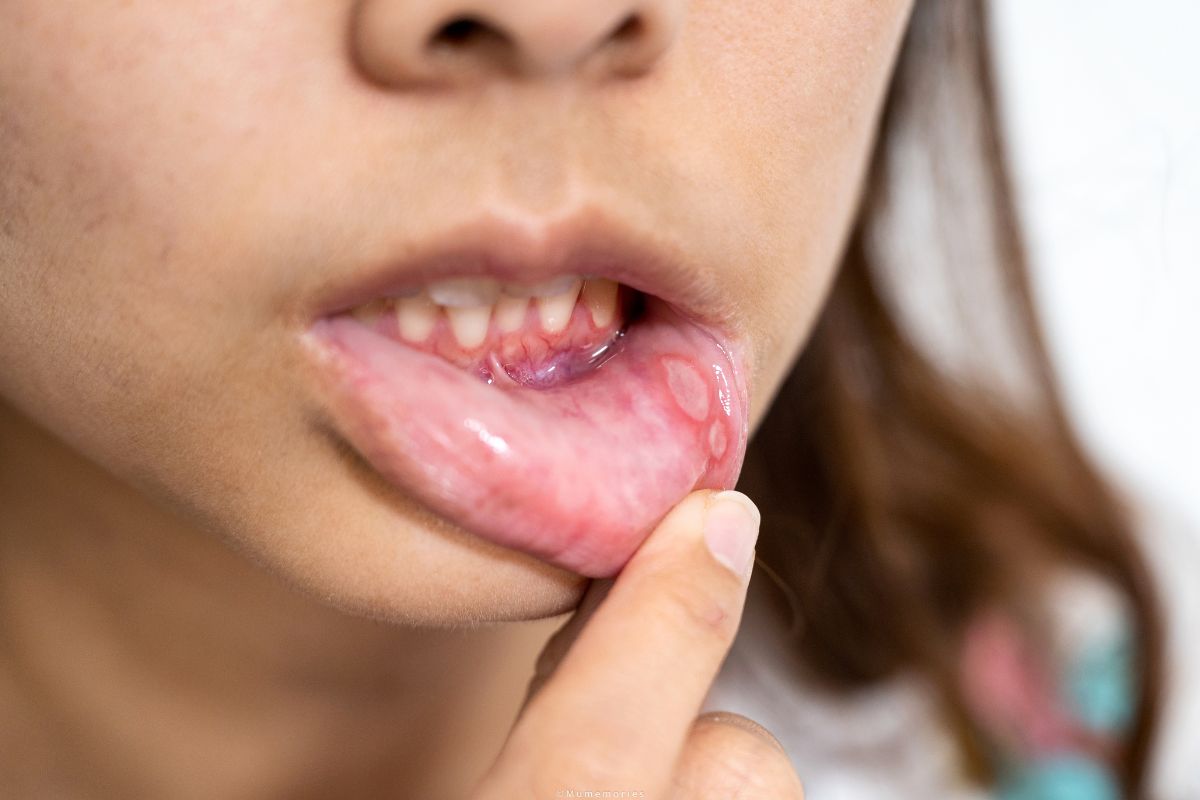
Understanding recurring mouth sores when to worry can help you know when a painful spot inside your mouth may simply need time to heal and when it deserves professional attention. Mouth sores can make eating, drinking, brushing, and speaking uncomfortable. At One Eleven Dental in Bixby, Oklahoma, patients can receive comprehensive dental care when oral health concerns need a closer look.
A sore inside the mouth may develop for several different reasons. Some occur after minor irritation and heal on their own. Others may return repeatedly or last longer than expected. Because recurring symptoms can have different causes, paying attention to the location, appearance, duration, and frequency of a sore can provide useful information.
Most mouth sores are not a reason to panic. However, a sore that repeatedly returns, does not heal, or appears with other concerning symptoms should not be ignored.
What Are Mouth Sores?
Mouth sores are painful or irritated areas that can develop on the lips, cheeks, tongue, gums, roof of the mouth, or other soft tissues inside the mouth.
They may appear as:
- Small round or oval ulcers.
- Red or irritated spots.
- White or yellowish areas with a red border.
- Blisters.
- Tender areas that sting when eating.
- Sores that make brushing uncomfortable.
Some mouth sores develop only once. Others may return from time to time, creating frustration and discomfort.
Not Every Mouth Sore Has the Same Cause
The appearance of a sore alone does not always explain why it developed. For example, irritation from accidentally biting your cheek may look different from a sore related to another health concern.
Therefore, it is helpful to consider what happened before the sore appeared and whether the same pattern continues.
Common Causes of Recurring Mouth Sores
Several factors can contribute to mouth sores that return repeatedly. In many cases, the cause involves irritation or a common type of oral ulcer. However, repeated symptoms can sometimes point to an issue that deserves further evaluation.
Minor Injuries Inside the Mouth
Small injuries can occur more easily than many people realize.
You may accidentally:
- Bite the inside of your cheek.
- Bite your tongue.
- Injure your gums while brushing.
- Scratch your mouth with a sharp food.
- Irritate soft tissue with dental appliances.
A rough or broken edge on a tooth or restoration may also repeatedly rub against the same area.
If a sore continues to return in exactly the same location, irritation from a tooth, restoration, or another source may be worth checking.
Stress and Changes in Daily Routine
Many people notice mouth sores during stressful periods. Stress can affect the body in several ways and may coincide with changes in sleep, diet, oral care habits, and overall health.
Stress does not explain every mouth sore. However, if sores appear during demanding periods, tracking that pattern may help you identify possible triggers.
Certain Foods and Drinks
Some foods can irritate sensitive areas inside the mouth.
Potential triggers may include:
- Spicy foods.
- Acidic fruits.
- Highly salty foods.
- Foods with rough or sharp edges.
- Foods that irritate an existing sore.
A food may not directly cause every sore, but it can make an irritated area feel more painful or delay comfort while the tissue heals.
Recurring Mouth Sores When to Worry About Repeated Symptoms
The question of recurring mouth sores when to worry often depends on how frequently the sores return and how long they remain.
A sore that heals completely and appears only occasionally may have a different cause than a sore that remains in the same location for an extended period.
Pay attention to patterns such as:
- Sores that return frequently.
- A sore that lasts longer than expected.
- Repeated sores in the same location.
- Increasing pain.
- Difficulty eating or drinking.
- A sore that changes in appearance.
- Additional symptoms affecting your overall health.
When symptoms become persistent, an examination can help determine whether a dental concern or another health issue may be involved.
Personalized Oral Health Care in Bixby
If you are trying to understand recurring mouth sores when to worry, a professional examination can help provide clarity. When looking for a Bixby dentist, patients can turn to Dr. Tej Lad and Dr. Cameron Craig at One Eleven Dental for thoughtful, comprehensive care focused on their individual needs.
Not every recurring sore has the same cause. A sore may result from repeated irritation, a dental issue, or another factor that requires further evaluation. Dr. Lad and Dr. Craig can help evaluate your oral health and identify concerns that may need attention. One Eleven Dental provides general family dentistry, preventive care, routine examinations, and comprehensive treatment for patients in Bixby.
Dental Problems That Can Contribute to Mouth Irritation
Sometimes a recurring sore develops because something inside the mouth repeatedly irritates the same tissue.
Sharp or Damaged Teeth
A chipped, cracked, or broken tooth may have a sharp edge that rubs against the tongue, cheek, or lips.
Even a small rough area can cause repeated irritation if it contacts the same tissue every day.
Worn or Damaged Dental Restorations
A damaged filling, crown, or other restoration may also create a rough surface.
If you notice that a sore repeatedly develops next to a specific tooth, restoration, or appliance, mention that detail during your dental visit.
Bite-Related Irritation
The way your teeth come together can sometimes contribute to repeated cheek or tongue biting.
If you frequently bite the same area while chewing or speaking, the tissue may not have enough time to fully recover before another injury occurs.
Could Nutritional Factors Play a Role?
The mouth can reflect changes happening elsewhere in the body. In some situations, nutritional deficiencies may contribute to oral symptoms.
Nutrients such as iron, vitamin B12, and folate play important roles in normal body function. If mouth sores occur frequently, a healthcare professional may consider your overall health history and whether additional evaluation is appropriate.
However, it is important not to self-diagnose a nutritional deficiency based only on a mouth sore.
Why a Complete Health History Matters
Recurring symptoms can have many possible causes. Therefore, the best approach is to consider your full health picture.
This may include:
- How often the sores occur.
- How long they last.
- Where they develop.
- Foods that seem to trigger discomfort.
- Changes in your overall health.
- Other symptoms you may be experiencing.
Providing this information can help guide the next steps.
When Recurring Mouth Sores May Need Professional Attention
Most minor mouth injuries heal with time. However, certain symptoms should encourage you to seek professional advice.
Consider scheduling an evaluation when a sore:
- Does not heal within about two weeks.
- Continues to grow or change.
- Returns frequently.
- Causes significant pain.
- Makes eating or drinking difficult.
- Appears repeatedly in the same location.
- Occurs with unusual swelling or bleeding.
- Is accompanied by other unexplained symptoms.
A dental examination can help identify possible sources of irritation inside the mouth. Depending on the findings, your dentist may also recommend that you speak with another healthcare professional.
Recurring Mouth Sores Versus One-Time Irritation
A one-time injury often has an identifiable cause. You may remember biting your cheek or eating something that scratched the inside of your mouth.
Recurring symptoms can be different.
Signs of a Possible Repeating Trigger
Consider whether:
- You bite the same area repeatedly.
- A sharp tooth contacts the sore.
- A restoration feels rough.
- Certain foods cause irritation.
- Sores appear during stressful periods.
- The sores return at regular intervals.
Keeping track of these details can help you recognize a possible pattern.
How to Care for a Minor Mouth Sore
For a minor sore, gentle care can help reduce additional irritation while the area heals.
You may consider:
- Avoiding foods that sting the sore.
- Choosing softer foods when chewing is uncomfortable.
- Maintaining regular oral hygiene.
- Drinking enough water.
- Avoiding repeated irritation to the affected area.
Avoid using products or treatments that may further irritate the tissue unless a dental or healthcare professional recommends them.
Continue Brushing Carefully
It may be tempting to avoid brushing near a painful area. However, keeping your mouth clean remains important.
Use gentle movements and avoid aggressively scrubbing the sore. If brushing becomes difficult because of severe pain, seek professional guidance.
Why Location Matters
The location of a mouth sore can provide an important clue.
For example, a sore that repeatedly appears beside a sharp tooth may have a different cause than sores that develop in different areas of the mouth.
Pay Attention to Where the Sore Appears
Make a note of whether the sore develops:
- Inside the cheek.
- Along the tongue.
- On the gums.
- On the lips.
- On the roof of the mouth.
- In the same place every time.
This information can be helpful during an examination.
How Often Is Too Often?
There is no single number that applies to everyone. However, repeated sores that interfere with your comfort or daily activities deserve attention.
If you find yourself repeatedly asking recurring mouth sores when to worry, the frequency itself may be a reason to discuss the problem with a dental or healthcare professional.
The goal is not to assume the worst. Instead, it is to understand why the sores continue to appear.
Keep a Simple Symptom Record
You may find it helpful to note:
- When the sore first appeared.
- How long it lasted.
- Where it developed.
- Whether you experienced pain.
- Foods or activities that seemed to worsen it.
- Whether the same type of sore returned.
A simple record can make it easier to describe the problem accurately.
Other Symptoms That Should Not Be Ignored
A mouth sore may be only one part of a larger health concern.
Pay attention if recurring sores occur along with:
- Unexplained weight changes.
- Persistent fever.
- Ongoing fatigue.
- Swollen lymph nodes.
- Difficulty swallowing.
- Unusual bleeding.
- Other persistent changes in your health.
These symptoms do not automatically mean a serious condition is present. However, they may indicate that a broader health evaluation is appropriate.
The Value of Routine Dental Visits
Regular dental visits do more than check for cavities and gum problems. A routine examination also allows your dentist to look at the soft tissues inside your mouth.
At One Eleven Dental, routine dental care includes examinations that can help identify oral health concerns early, along with preventive care and ongoing maintenance. The practice emphasizes comprehensive, patient-focused care for families in Bixby.
Early Attention Can Help Identify the Cause
If a sharp tooth, damaged restoration, or another dental issue contributes to repeated irritation, identifying the cause can help prevent the same tissue from becoming irritated again.
Early attention may also provide reassurance when an examination does not reveal a significant dental concern.
Final Thoughts on Recurring Mouth Sores
Recurring sores can be uncomfortable and frustrating, especially when they interfere with eating, speaking, or brushing. Minor injuries, repeated irritation, stress, certain foods, and other factors may contribute to these symptoms.
However, understanding recurring mouth sores when to worry can help you recognize when it is time to seek professional guidance. A sore that repeatedly returns, lasts longer than expected, changes in appearance, or develops with other concerning symptoms deserves attention.
If recurring mouth sores are causing concern or discomfort, schedule an appointment with Dr. Tej Lad or Dr. Cameron Craig at One Eleven Dental, for a professional oral health evaluation.