
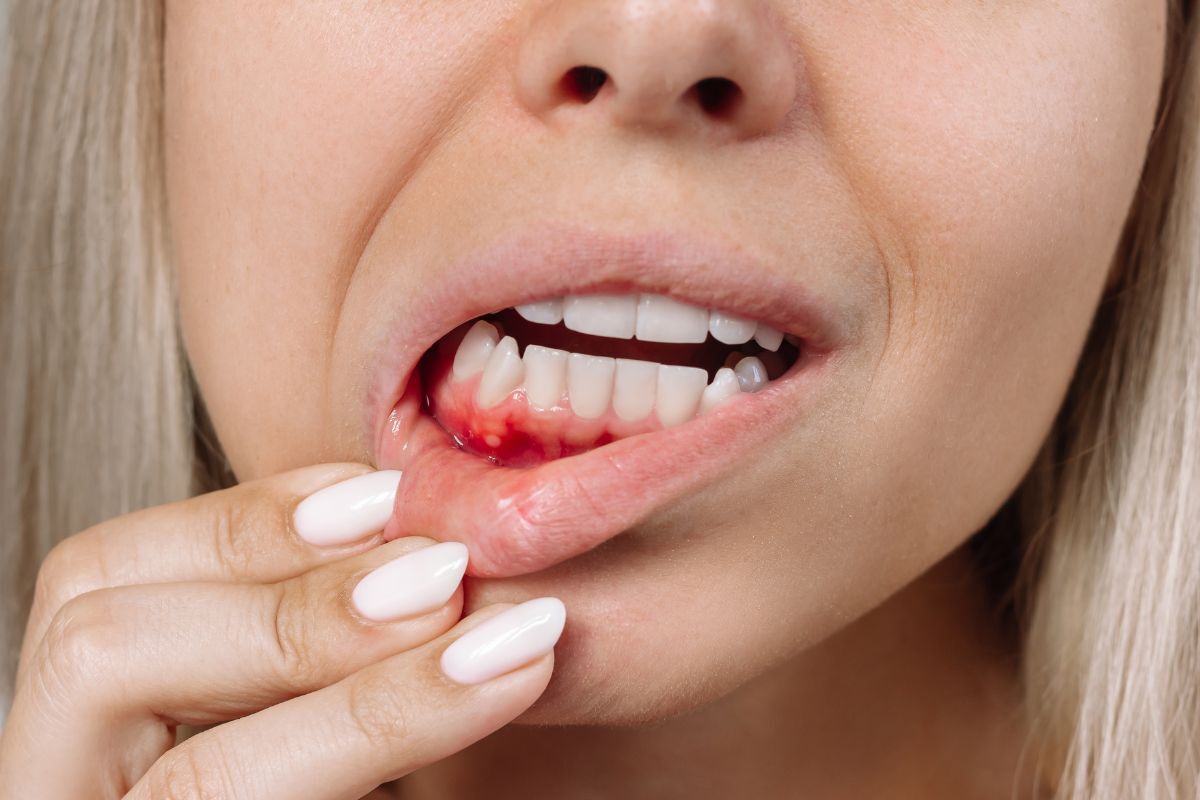
Gum disease can start quietly, with mild bleeding or redness that may seem easy to ignore. However, untreated problems around the gums can become more serious over time. At One Eleven Dental in Bixby, Dr. Tej Lad and Dr. Cameron Craig help patients recognize changes in their oral health and understand the right steps for protecting their teeth, gums, and smile.
The good news is that many gum problems are preventable and treatable. Early care can often stop mild inflammation from progressing. However, advanced periodontal disease can damage the tissues and bone that support your teeth. That is why paying attention to early warning signs and maintaining regular dental visits matters.
Why Gum Health Matters
Your gums do more than frame your smile. They surround and support your teeth while helping protect the deeper structures of your mouth.
When bacteria and plaque build up around the teeth, the gums can become irritated. This may lead to inflammation, redness, swelling, and bleeding.
The Centers for Disease Control and Prevention explains that periodontal conditions involve inflammation or infection of the gums and the tissues and bone that support the teeth. It also identifies gingivitis and periodontitis as two common forms.
For patients looking for a trusted dentist in Bixby, One Eleven Dental provides preventive and general dental care with a focus on maintaining healthy smiles. Dr. Tej Lad and Dr. Cameron Craig can evaluate your gums during routine examinations and help identify concerns before they become more difficult to manage.
The Two Main Stages of Gum Problems
Not every gum problem has the same severity. Understanding the difference between early inflammation and advanced periodontal disease can help you recognize why timely treatment matters.
Gingivitis
Gingivitis represents the milder form of gum disease.
It often develops when plaque remains along the gumline. Bacteria within plaque can irritate the gums, causing them to become red, swollen, or more likely to bleed.
Common signs include:
- Red gums
- Puffy or swollen tissue
- Bleeding while brushing
- Bleeding during flossing
- Gum tenderness
- Bad breath
Gingivitis is generally reversible with appropriate oral hygiene and professional care. The CDC notes that good oral hygiene and professional cleanings can help prevent and treat this early stage.
Periodontitis
When inflammation progresses and begins damaging the structures that support the teeth, the condition can become periodontitis.
This stage can involve:
- Gum recession
- Deep pockets around teeth
- Bone loss
- Loose teeth
- Pain when chewing
- Changes in how teeth fit together
Unlike gingivitis, periodontitis cannot simply return to its original healthy state. However, professional treatment can slow the disease and help manage it.
Common Signs You Should Not Ignore
Gum problems can become serious before symptoms feel severe. Therefore, pay attention to changes in your mouth.
Bleeding Gums
Seeing a small amount of blood when brushing or flossing may seem normal, but healthy gums generally should not bleed regularly.
Frequent bleeding can indicate inflammation.
Instead of stopping flossing because your gums bleed, continue gentle cleaning and talk with your dentist. Professional evaluation can help determine why the bleeding occurs.
Red or Swollen Gums
Healthy gum tissue typically appears firm and pink, although natural color varies from person to person.
Red, swollen, or tender tissue can indicate irritation or inflammation.
If swelling continues despite consistent oral hygiene, schedule a dental evaluation.
Persistent Bad Breath
Bad breath can result from many things, including certain foods, dry mouth, poor oral hygiene, and tobacco use.
However, persistent odor can also accompany gum problems.
If brushing, flossing, and cleaning your tongue do not improve the issue, discuss it with your dental team.
Receding Gums
Gum recession occurs when the gum tissue pulls away from the tooth.
You may notice that your teeth appear longer than they used to. You may also develop sensitivity near the gumline.
Recession can have several causes, so a dental examination can help identify the reason.
Loose or Sensitive Teeth
Advanced periodontal disease can affect the bone and tissues supporting the teeth.
As support decreases, teeth may become loose or more sensitive.
Do not wait for a loose tooth to become painful before seeking care.
Pain While Chewing
Discomfort during chewing can indicate several dental conditions, including periodontal problems.
Pain may occur because inflammation affects the tissues surrounding a tooth or because another dental problem exists at the same time.
A dentist can determine the actual cause through an examination.
How Does Gum Disease Develop?
Plaque plays a major role in the development of periodontal problems.
Plaque is a sticky film containing bacteria that constantly forms on teeth. When you brush and clean between your teeth, you remove much of this buildup.
However, plaque that remains on the teeth can harden into tartar, also called calculus. A toothbrush cannot remove hardened tartar effectively. Professional dental cleaning can remove it.
If bacterial buildup continues around the gumline, inflammation can increase.
Over time, bacteria can move below the gumline and contribute to deeper periodontal pockets. These spaces can make cleaning more difficult and allow inflammation to continue.
In advanced cases, the process can contribute to destruction of gum tissue and bone around the teeth.
What Increases Your Risk?
Several factors can increase the likelihood of developing periodontal problems.
Poor Oral Hygiene
Skipping brushing or cleaning between your teeth allows plaque to accumulate.
Brushing twice a day and cleaning between teeth daily can help control bacterial buildup.
Tobacco Use
Smoking and other tobacco products can increase the risk of serious periodontal problems.
The CDC notes that smoking can weaken the body’s ability to fight infection and can make healing more difficult.
If you use tobacco, discuss quitting with your healthcare professionals.
Diabetes
Diabetes and periodontal health can affect each other.
The CDC explains that high blood sugar can make it harder to fight infections, while periodontal problems can also make diabetes management more difficult.
If you have diabetes, tell your dentist. Your dental team can help you create an appropriate preventive care plan.
Genetics
Some people may have a greater tendency to develop periodontal problems because of genetic factors.
Even with a higher risk, good daily care and regular professional examinations remain important.
Certain Medications
Some medications can affect saliva production or create oral side effects.
A dry mouth can make it harder for your mouth to naturally clear food particles and bacteria.
Tell your dentist about the medications you take so the team can consider your complete oral health picture.
How Is Gum Disease Treated?
Treatment depends on the stage and severity of the condition.
A dentist will first evaluate your gums, teeth, plaque levels, and supporting structures. The goal is to identify the source of the problem and develop a treatment plan that matches your needs.
Professional Cleaning
For early inflammation, professional cleaning combined with better home care may help restore gum health.
A dental hygienist removes plaque and tartar that normal brushing cannot eliminate.
Your dentist may also recommend more frequent professional cleanings if you have a higher risk of periodontal problems.
Improved Home Care
Daily oral hygiene remains essential.
Your dental team may recommend:
- Brushing twice daily
- Cleaning between teeth every day
- Using fluoride toothpaste
- Improving brushing technique
- Using an antimicrobial mouth rinse when appropriate
- Paying extra attention to the gumline
Small daily habits can make a major difference when you follow them consistently.
Scaling and Root Planing
More advanced periodontal problems may require a deeper cleaning called scaling and root planing.
This procedure removes plaque and tartar from tooth surfaces above and below the gumline. It also smooths the root surfaces to make it more difficult for bacteria to remain attached.
The CDC lists scaling and root planing as a common nonsurgical treatment for periodontitis.
Medication
Depending on the situation, a dental professional may recommend medication as part of periodontal treatment.
This may include a prescribed mouth rinse or medication placed directly near affected gum tissue.
Medication does not replace proper oral hygiene. Instead, it may support other treatments when clinically appropriate.
Periodontal Surgery
Severe cases may require surgical treatment.
A periodontal specialist may perform procedures designed to clean areas that are difficult to reach or address damage involving gum tissue or bone.
The exact treatment depends on the amount of tissue and bone affected.
Can Gum Disease Be Reversed?
The answer depends on the stage.
Gingivitis is generally reversible when you improve oral hygiene and receive appropriate professional care.
Periodontitis is different. Once significant bone loss occurs, the lost bone does not simply grow back. However, professional treatment can slow progression and help manage the condition.
That distinction makes early care especially valuable.
If your gums bleed regularly, do not wait for pain or loose teeth. Addressing inflammation early may help prevent more serious damage.
How to Prevent Gum Problems
Prevention starts with simple daily habits.
Brush Twice a Day
Brush your teeth for about two minutes each time.
Use fluoride toothpaste and gently clean around the gumline.
Avoid brushing so aggressively that you irritate the gums.
Clean Between Your Teeth
A toothbrush cannot reach every surface between teeth.
Use floss or another interdental cleaning tool recommended by your dentist.
Daily cleaning between teeth helps remove plaque and trapped food that brushing alone may leave behind.
Maintain Professional Cleanings
Even excellent home care cannot remove hardened tartar.
Regular professional cleanings allow your dental team to remove buildup and monitor changes in your gums.
The CDC recommends regular professional care and at least yearly dental checkups, with more frequent visits when recommended by your dental provider.
Avoid Tobacco
Smoking and tobacco use can increase periodontal risk and interfere with healing.
If you use tobacco, consider speaking with your healthcare provider about quitting.
Manage Health Conditions
Conditions such as diabetes can affect oral health.
Managing your overall health, following your medical treatment plan, and keeping your dentist informed can support better oral health.
When Should You See a Dentist?
Do not wait until your teeth become loose before getting professional advice.
Consider contacting your dentist if you notice:
- Frequent gum bleeding
- Persistent gum swelling
- Red or tender gums
- Receding gums
- Ongoing bad breath
- Loose teeth
- Pain when chewing
- New tooth sensitivity
- Changes in your bite
Some periodontal problems cause few noticeable symptoms in the early stages. Regular dental examinations can help identify concerns before they become more advanced.
How One Eleven Dental Can Support Your Oral Health
At One Eleven Dental in Bixby, Dr. Tej Lad and Dr. Cameron Craig provide general and preventive dental care focused on helping patients maintain healthy smiles.
Regular examinations give your dental team an opportunity to evaluate your gums, teeth, and overall oral health. If you have bleeding, swelling, sensitivity, or another concern, discussing it early can help you understand what may be happening and what treatment options are available.
For Bixby families, personalized preventive care can make it easier to maintain healthy habits and address problems before they become more complicated.
The Bottom Line
Gum disease can range from mild gingivitis to more advanced periodontitis that affects the tissues and bone supporting your teeth. Early signs such as bleeding, redness, swelling, tenderness, and persistent bad breath deserve attention.
The good news is that early periodontal problems are often preventable and treatable. Brushing twice a day, cleaning between your teeth daily, avoiding tobacco, managing health conditions, and maintaining regular dental visits can all support healthier gums.
If periodontal disease progresses, treatment may involve professional cleaning, scaling and root planing, medication, or more advanced procedures depending on the severity.
For personalized periodontal care in Bixby, schedule your appointment with One Eleven Dental to discuss your gum health with Dr. Tej Lad or Dr. Cameron Craig.