
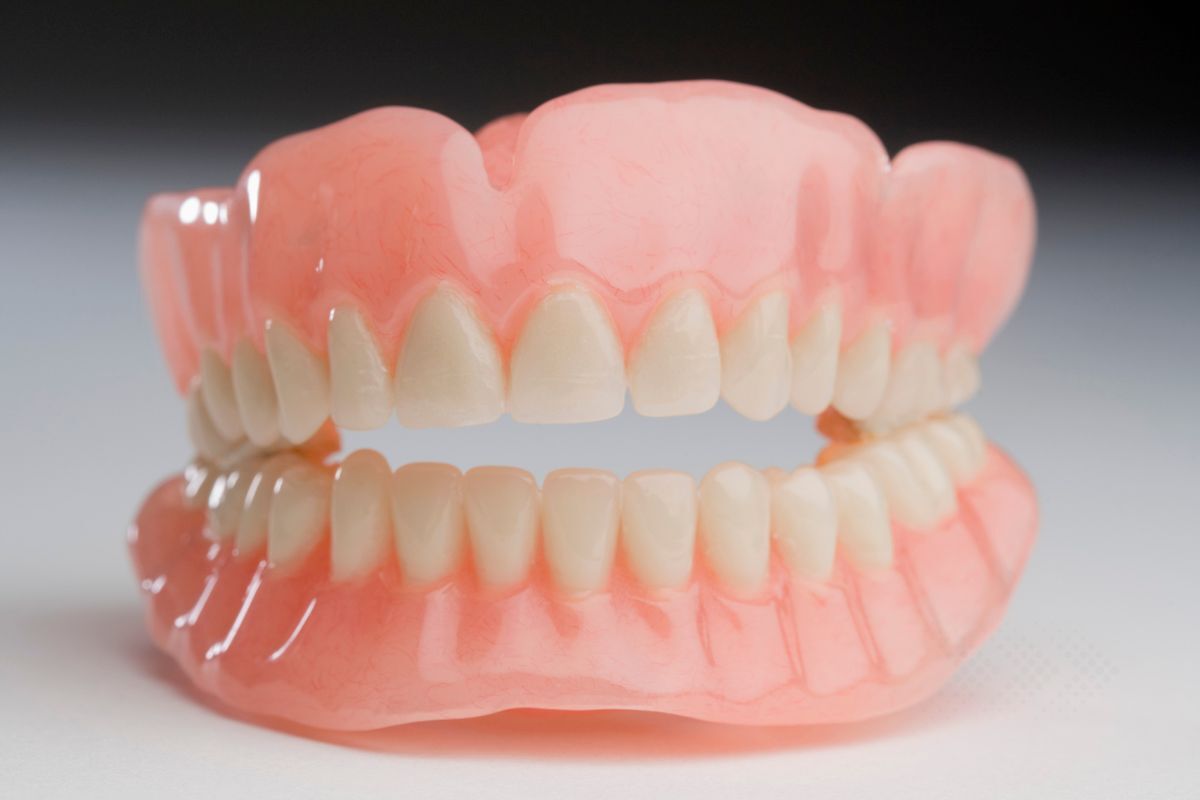
Knowing when you may need a denture reline or replacement can help you stay comfortable and protect your oral health. Over time, changes in your mouth can affect how your restoration fits, even if it once felt secure. At One Eleven Dental in Bixby, Dr. Tej Lad and Dr. Cameron Craig can evaluate changes in fit, comfort, and function and help you understand your available options.
A well-fitting restoration should feel comfortable during everyday activities such as speaking and eating. However, your gums and jawbone can naturally change over time. As a result, an appliance that once fit well may begin to move, rub, or feel uncomfortable.
The good news is that an uncomfortable fit does not always mean you need a completely new appliance. Sometimes, a reline can improve the fit. In other situations, replacement may offer a better long-term solution.
Why Your Denture May Stop Fitting Properly
Your mouth does not remain exactly the same throughout your life. After tooth loss, the jawbone can gradually change because it no longer receives the same stimulation from natural tooth roots.
Changes in your gums and underlying bone can alter the shape of the tissues that support your appliance.
Other factors can also affect the fit, including:
- Normal changes in the jawbone
- Changes in gum tissue
- Wear from everyday use
- Damage or cracks
- Changes in your bite
- An appliance that has become old or worn
- Changes in facial structure
For patients searching for where to get dentures in Bixby, One Eleven Dental provides restorative and replacement options designed around individual needs. Dr. Tej Lad and Dr. Cameron Craig can examine your current appliance and discuss whether an adjustment, reline, repair, or replacement makes the most sense.
8 Signs You May Need a Reline or Replacement
Not every change means you need a new appliance. However, certain warning signs deserve professional attention.
1. Your Appliance Feels Loose
A loose restoration is one of the most common signs that the fit has changed.
You may notice movement when you:
- Talk
- Laugh
- Eat
- Chew
- Open your mouth
- Yawn
A small amount of movement may seem manageable, but excessive movement can make daily activities frustrating.
Your dentist can evaluate the fit and determine whether a reline could improve stability.
2. You Have Sore Spots
Do you frequently notice irritated areas on your gums after wearing your appliance?
Pressure from an uneven or poorly fitting base can cause sore spots. These areas may become especially noticeable after eating or wearing the appliance for several hours.
Do not ignore recurring irritation.
Your dentist can identify pressure points and determine whether an adjustment or reline could improve comfort.
3. Chewing Has Become Difficult
Your restoration should help you eat comfortably.
If you suddenly find it harder to chew foods that you previously handled with ease, the fit may have changed.
You might notice:
- Food feels harder to chew
- The appliance moves while eating
- You avoid certain foods
- You need to chew more slowly
- You feel pressure in certain areas
A professional evaluation can help identify whether the issue involves fit, wear, bite alignment, or another oral health concern.
4. Your Speech Has Changed
Your teeth and oral appliances play an important role in speech.
When the fit changes, you may notice:
- Clicking sounds
- Difficulty pronouncing certain words
- Slurred speech
- Increased movement while talking
- A feeling that the appliance is too bulky
If these changes appear after years of comfortable use, ask your dentist to check the fit.
5. You Use More Adhesive Than Before
Dental adhesive can provide additional stability for some people, but increasing dependence on adhesive may indicate that the fit has changed.
For example, you may previously have needed very little adhesive but now find yourself applying it more frequently.
That change does not automatically mean your appliance needs replacement. However, it provides a useful reason to have the fit evaluated.
6. Your Appliance Looks Worn
Everyday use can gradually wear restorative materials.
Look for:
- Cracks
- Chips
- Rough areas
- Worn artificial teeth
- Changes in appearance
- Damage around the base
Visible wear does not always require replacement, but significant damage can affect function and comfort.
Your dentist can determine whether repair or replacement makes sense.
7. Your Bite Feels Different
A change in the way your upper and lower teeth meet can affect chewing comfort.
You might notice that:
- Your teeth no longer meet evenly
- Your jaw feels uncomfortable
- Chewing feels unusual
- One side contacts before the other
- You experience increased jaw fatigue
Changes in the supporting tissues can contribute to these problems.
A dental professional can evaluate your bite and determine whether an adjustment, reline, or replacement could help.
8. You Have Had the Same Appliance for Many Years
Age alone does not determine whether you need a replacement.
However, older appliances may experience more wear and may no longer provide the same fit or appearance they once did.
If you have used the same restoration for many years, regular evaluations can help determine whether it continues to meet your needs.
Reline vs. Replacement: What Is the Difference?
A reline and a replacement serve different purposes.
What a Reline Does
A reline changes the inside surface of an existing appliance so it fits the current shape of your gums and supporting tissues more closely.
This approach may work when:
- The appliance remains structurally sound
- The artificial teeth still look and function well
- The base does not have significant damage
- The primary problem involves looseness
- Your oral tissues have changed over time
A reline can improve stability without requiring an entirely new appliance.
When Replacement May Make More Sense
A new restoration may provide a better solution when the existing one has significant damage or wear.
Replacement may become appropriate if:
- The base has cracked
- Artificial teeth have worn down
- The appliance no longer supports proper chewing
- The fit has changed significantly
- The design no longer meets your needs
- The appliance has become difficult to clean
- Your dentist identifies significant structural problems
Your dentist can compare the condition of the existing appliance with your current oral needs before recommending a solution.
Why Jawbone Changes Affect the Fit
After natural teeth disappear, the jawbone can gradually lose volume in areas that once supported tooth roots.
This process can change the shape of the ridge that supports a removable restoration.
As the underlying structure changes, the appliance may:
- Feel looser
- Move while chewing
- Rub against the gums
- Require more adhesive
- Cause pressure spots
- Feel different from how it did when it was new
This explains why a restoration can become uncomfortable even when you have taken excellent care of it.
The issue may not involve poor hygiene or improper use. Your mouth may simply have changed.
Can a Reline Fix a Loose Appliance?
In some cases, yes.
A reline can reshape the tissue-facing surface to improve contact with the current shape of the gums.
However, a reline cannot correct every problem.
If the appliance has extensive cracks, significant wear, poor tooth positioning, or other structural concerns, your dentist may recommend replacement instead.
That is why an examination matters. Trying to solve the problem without understanding its cause can lead to unnecessary discomfort.
What Happens During an Evaluation?
Your dental appointment may begin with questions about your daily experience.
Your dentist may ask:
- When did the fit change?
- Do you experience pain?
- Does it move while eating?
- Are you having trouble speaking?
- Do you notice sore areas?
- How long have you used the current appliance?
- How often do you use adhesive?
- Has anything recently changed in your oral health?
Your Dentist Will Check the Fit
The dental team can examine how the appliance sits against your gums and supporting tissues.
They may also evaluate your bite and how the upper and lower arches work together.
The Appliance May Also Need Examination
Your dentist can look for:
- Cracks
- Chips
- Worn surfaces
- Damaged teeth
- Weak areas
- Changes in shape
- Problems with the base
This information helps determine whether a reline, repair, adjustment, or replacement offers the most appropriate solution.
Why You Should Not Ignore Discomfort
Some people tolerate discomfort because they assume it comes with wearing a removable restoration.
You should not have to accept persistent pain as normal.
A poor fit can cause repeated pressure and irritation. It can also make eating and speaking more difficult.
Furthermore, discomfort may discourage you from wearing the appliance regularly. That can affect your ability to eat a balanced diet and feel confident in social situations.
If your restoration causes recurring soreness, seek professional guidance rather than simply trying to tolerate the problem.
How to Care for Your Appliance
Proper daily care can help protect your investment and maintain good oral hygiene.
Clean It Regularly
Follow your dentist’s instructions for cleaning.
Avoid using abrasive household cleaners unless your dental professional specifically recommends them. Harsh products can damage some restorative materials.
Handle It Carefully
Removable appliances can break when dropped.
When cleaning or removing yours, handle it over a folded towel or a sink filled with water to reduce the risk of damage if it slips.
Give Your Gums Appropriate Rest
Follow your dentist’s instructions about when to wear your appliance and when to remove it.
Many people remove removable restorations at night, but your specific instructions may differ depending on your circumstances.
Keep Your Mouth Healthy
Even if you no longer have natural teeth in a particular area, your gums and oral tissues still need care.
Clean your gums, tongue, and any remaining natural teeth according to your dentist’s recommendations.
Can a New Restoration Improve Everyday Comfort?
A properly fitted replacement can make everyday activities easier.
You may experience improvements in:
- Chewing
- Speaking
- Stability
- Comfort
- Appearance
- Confidence
However, getting used to a new appliance can take time.
Your dentist may recommend follow-up appointments to make small adjustments as your mouth adapts.
When Should You Contact Your Dentist?
Do not wait until your appliance completely fails before asking for help.
Schedule an evaluation if you notice:
- Persistent gum irritation
- Frequent movement
- Difficulty chewing
- Changes in speech
- A damaged base
- Worn artificial teeth
- Increasing dependence on adhesive
- Changes in your bite
- A restoration that feels uncomfortable
Early evaluation can help you understand whether you need a simple adjustment or a more comprehensive solution.
How One Eleven Dental Can Help
At One Eleven Dental in Bixby, Dr. Tej Lad and Dr. Cameron Craig provide restorative dental care designed around each patient’s individual needs. The practice offers a range of general and restorative services and focuses on helping patients understand their treatment choices.
If your current restoration feels loose, uncomfortable, worn, or damaged, a dental evaluation can help determine the cause. Depending on its condition, your dentist may recommend an adjustment, reline, repair, or replacement.
The right choice depends on your current oral anatomy, the condition of your existing appliance, your bite, and your personal needs.
The Bottom Line
A loose, uncomfortable, damaged, or worn restoration does not always mean you need an entirely new one. Sometimes, a denture reline or replacement can restore comfort and function, depending on the condition of your current appliance.
Pay attention to recurring sore spots, movement, chewing difficulties, speech changes, increased adhesive use, visible damage, and changes in your bite. These signs can indicate that your mouth or appliance has changed.
Most importantly, do not try to fix a poor fit with adhesive alone. A professional examination can identify the underlying problem and help you choose the appropriate solution.
For patients in Bixby, One Eleven Dental can evaluate your current restoration and discuss personalized options with Dr. Tej Lad or Dr. Cameron Craig. Schedule your appointment at One Eleven Dental in Bixby to discuss your comfort, fit, and restorative dental needs.