
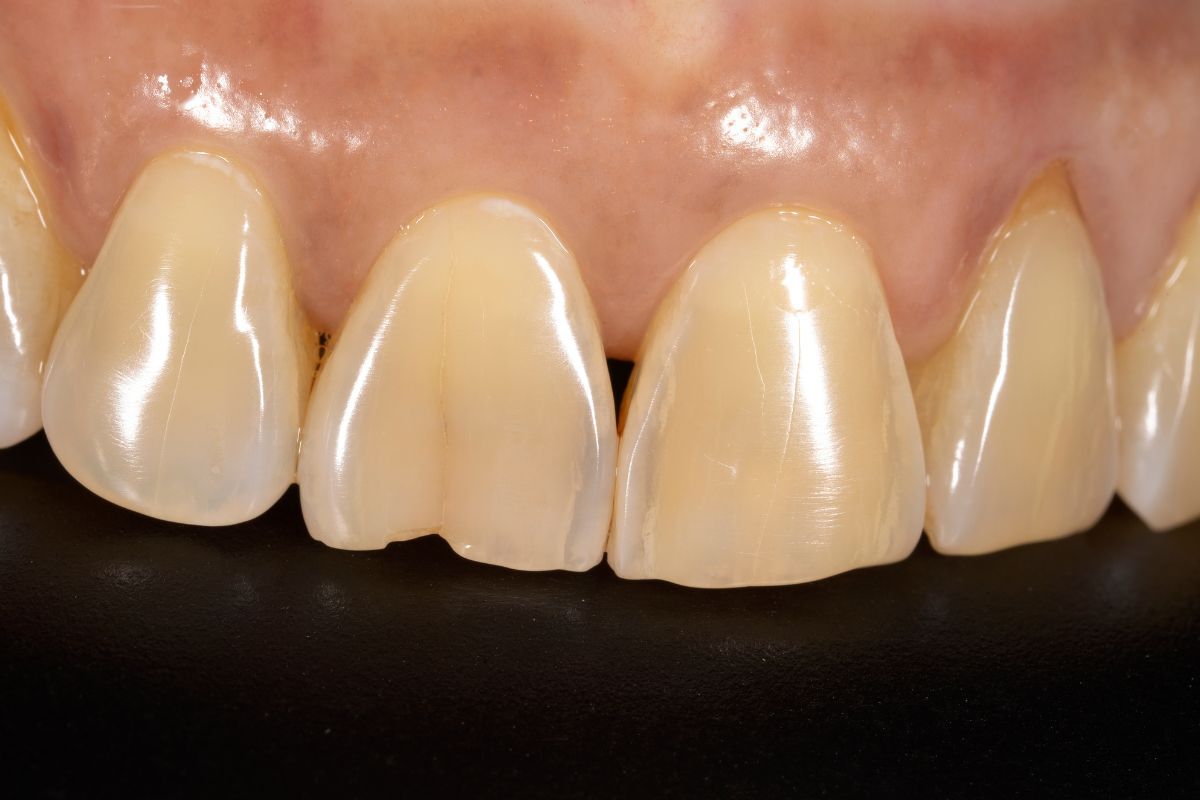
If you crack a tooth, quick and careful action can make a major difference. A crack may cause sharp pain, sensitivity, or discomfort when you bite, but some fractures show few symptoms at first. At One Eleven Dental in Bixby, Dr. Tej Lad and Dr. Cameron Craig help patients understand tooth damage and choose appropriate treatment to protect their natural smiles.
A damaged tooth can happen during a meal, after an accident, from years of clenching, or even without an obvious cause. Although a small crack may seem harmless, chewing can place pressure on the damaged area and make it worse. Therefore, knowing what to do before your dental appointment can help protect the tooth and reduce discomfort.
Why a Cracked Tooth Needs Attention
Your teeth can handle a lot of daily pressure, but they are not indestructible. Biting hard foods, facial injuries, teeth grinding, large fillings, and normal wear can all contribute to fractures.
A crack may affect only the outer enamel, or it may extend deeper toward the inner portion of the tooth. The location and depth of the damage influence the symptoms and treatment.
Some common causes include:
- Biting down on hard foods
- Chewing ice or hard objects
- Sports-related injuries
- Falls or accidents
- Teeth clenching or grinding
- Large fillings that weaken tooth structure
- Normal wear over time
For anyone looking for a Bixby dentist, One Eleven Dental provides treatment for cracked teeth and other dental emergencies. Dr. Tej Lad and Dr. Cameron Craig can evaluate the damaged tooth and explain whether restorative treatment may help preserve it. One Eleven Dental specifically notes that many damaged teeth can be protected with a crown or a root canal and crown combination, depending on the location and severity of the fracture.
What Should You Do Right After You Crack a Tooth?
The first step involves protecting the tooth until a dentist can examine it.
1. Rinse Your Mouth Gently
Use lukewarm water to gently rinse your mouth. This can help remove food particles and debris from around the damaged area.
Avoid aggressive swishing if the tooth or surrounding gums feel painful.
2. Avoid Chewing on That Side
Try to keep pressure away from the affected tooth.
Choose softer foods and chew on the opposite side of your mouth. Hard or crunchy foods can place additional force on the damaged area.
3. Use a Cold Compress
If the injury caused swelling or soreness, place a cold compress against the outside of your cheek.
Use it for short periods rather than applying ice directly to your skin or tooth.
4. Save Any Broken Pieces
If part of the tooth breaks off, keep the fragment and bring it to your dental appointment.
Place it in a clean container and avoid handling it unnecessarily.
Although the dentist may not be able to reattach the piece, examining it can help provide information about the injury.
5. Contact a Dentist
Do not wait several weeks to see whether the problem disappears.
A crack can spread when you continue to bite and chew normally. Prompt evaluation gives your dentist a better opportunity to understand the damage and determine whether the natural tooth can remain in place.
What Does a Cracked Tooth Feel Like?
Symptoms vary considerably. Some people experience immediate pain, while others notice only occasional sensitivity.
Common symptoms include:
- Sharp pain when biting down
- Pain when releasing a bite
- Sensitivity to cold drinks
- Sensitivity to hot foods
- Discomfort when eating sweets
- Pain that comes and goes
- Swelling near the affected tooth
- A rough or sharp edge
- Pain when chewing
- A feeling that something is wrong with your bite
One particularly important clue involves pain that appears when you bite down and then release the pressure. This pattern can occur with certain types of tooth fractures.
However, symptoms alone cannot determine how serious the damage is. A professional dental examination remains important.
Can a Cracked Tooth Heal on Its Own?
Unlike a broken bone, a tooth does not repair a deep structural crack by growing new tooth tissue.
A very small surface line may not require extensive treatment. For example, dentists often see tiny enamel lines called craze lines. These superficial lines can occur naturally and may not cause symptoms.
A deeper fracture presents a different situation.
If the crack extends into deeper tooth structure, normal chewing can cause the fracture to spread. Therefore, even if your discomfort improves, the underlying problem may remain.
The right response depends on the type, location, and depth of the fracture.
Types of Tooth Cracks You May Have
Dentists classify tooth fractures differently depending on how they affect the tooth.
Craze Lines
Craze lines are tiny cracks in the enamel.
They are common in adults and often do not cause pain. Your dentist can determine whether a line appears superficial or requires further attention.
Fractured Cusp
A fractured cusp usually affects one of the raised portions of a back tooth.
This can happen around a large filling or after biting something hard. A dentist may recommend a restoration such as a crown depending on the remaining tooth structure.
Cracked Tooth
A crack can extend from the chewing surface toward the root.
The deeper the fracture travels, the more challenging treatment can become. Early evaluation may help prevent further structural damage.
Split Tooth
A split tooth has a crack that has progressed enough to separate portions of the tooth.
In this situation, saving the entire tooth may not be possible. Treatment depends on the location and extent of the split.
Vertical Root Fracture
A fracture can sometimes develop in the root of a tooth.
These fractures may cause few symptoms initially and can become noticeable after the surrounding tissues develop inflammation or infection.
When Is a Cracked Tooth a Dental Emergency?
Not every fracture requires an emergency appointment, but certain symptoms deserve prompt attention.
Seek urgent dental care if you experience:
- Severe or worsening pain
- Significant facial swelling
- Swelling around the gums
- Fever associated with tooth pain
- Pus or drainage
- Difficulty swallowing
- Difficulty breathing
- A major portion of the tooth breaks away
- Trauma that affects several teeth
One Eleven Dental identifies a cracked or broken tooth with pain or exposed inner tooth structure as a situation that may require urgent dental attention. The practice also recommends prompt care for swelling, severe pain, and other serious symptoms.
If swelling makes breathing or swallowing difficult, seek emergency medical care immediately.
What Happens During a Dental Examination?
Your dentist will first ask about what happened and what symptoms you have experienced.
Be prepared to explain:
- When the injury occurred
- What you were eating or doing
- Whether you felt a sudden crack
- Where the pain occurs
- Whether cold or heat causes sensitivity
- Whether biting causes discomfort
- Whether you noticed swelling
Your Dentist May Examine the Tooth
The dental team will look closely at the tooth and surrounding gums.
They may check the tooth for:
- Visible cracks
- Broken edges
- Discoloration
- Tenderness
- Movement
- Changes in your bite
X-Rays May Help
Some fractures do not appear clearly during a visual examination.
Your dentist may use dental X-rays to examine the tooth and surrounding structures. In some situations, additional diagnostic methods may help determine the extent of the problem.
One Eleven Dental notes that its emergency care process may include a thorough examination and X-rays to identify the source of a dental problem and determine the appropriate treatment.
How Is a Cracked Tooth Treated?
Treatment depends on the location and severity of the fracture.
Dental Bonding
For certain small chips or minor damage, bonding may provide an appropriate solution.
The dentist applies tooth-colored composite material to restore the shape and appearance of the tooth.
Bonding generally works best for minor damage rather than deep structural fractures.
Dental Crown
A crown covers and protects the remaining tooth structure.
Your dentist may recommend one when the tooth has enough healthy structure to support the restoration but needs additional strength.
One Eleven Dental explains that crowns can restore worn, cracked, or misshapen teeth and provide a strong outer surface that protects the tooth.
Root Canal and Crown
If the fracture affects the inner pulp of the tooth, root canal treatment may become necessary.
During a root canal, the dentist removes damaged or infected tissue from inside the tooth, cleans the area, and seals it. A crown may then provide additional protection.
One Eleven Dental notes that some cracked teeth can remain functional with a root canal and crown combination.
Extraction
Some fractures extend too far below the gumline or through the root. In those cases, saving the tooth may not be possible.
Your dentist will evaluate the tooth and explain whether extraction offers the safest option.
The goal should always involve choosing the treatment that provides the best long-term outcome for your oral health.
What Should You Avoid After Cracking a Tooth?
What you do after the injury can affect your comfort and potentially prevent additional damage.
Avoid:
- Chewing ice
- Eating hard candy
- Biting directly on the affected tooth
- Chewing nuts or other very hard foods
- Using your teeth to open packages
- Picking at the crack
- Trying to repair the tooth yourself
- Ignoring increasing pain or swelling
Instead, choose soft foods and keep the area clean while you arrange professional care.
Can Teeth Grinding Cause Cracks?
Yes, repeated clenching and grinding can place significant stress on teeth.
People who grind their teeth may not always realize they do it, particularly during sleep. Over time, repeated pressure can contribute to worn enamel, chips, sensitivity, and fractures.
Stress and normal aging can also contribute to tooth damage. One Eleven Dental specifically notes that clenching and grinding can contribute to fractures.
If you regularly wake up with jaw soreness, headaches, tooth sensitivity, or worn teeth, mention these symptoms during your dental appointment.
Your dentist can determine whether additional protection, such as a custom nightguard, may help.
How to Prevent Future Tooth Damage
You cannot prevent every dental injury, but several habits can reduce your risk.
Protect Your Teeth During Sports
If you participate in contact or high-impact sports, wear a properly fitted mouthguard.
A mouthguard can reduce the risk of dental injuries caused by falls, collisions, and impacts.
Stop Chewing Hard Objects
Avoid chewing:
- Ice
- Pens
- Pencils
- Fingernails
- Hard plastic
- Bottle caps
Your teeth should not function as tools.
Treat Clenching and Grinding
If you clench or grind your teeth, discuss it with your dentist.
A professional evaluation can help identify signs of excessive pressure and determine whether a protective appliance may be appropriate.
Keep Up With Routine Dental Care
Regular examinations allow your dentist to identify weakened teeth, worn restorations, decay, and other concerns before they contribute to a larger problem.
Preventive care does not guarantee that a fracture will never happen, but it can help you maintain stronger teeth and address problems earlier.
How One Eleven Dental Can Help
A cracked tooth can be stressful, especially when you are unsure whether the damage requires urgent treatment.
At One Eleven Dental in Bixby, the team offers treatment for cracked teeth along with crowns, root canal therapy, emergency dental care, fillings, and other restorative services.
Dr. Tej Lad and Dr. Cameron Craig focus on helping patients understand their dental concerns and treatment options. One Eleven Dental also emphasizes comfortable, comprehensive, and nonjudgmental family dental care.
For a cracked tooth, the practice evaluates the tooth and reviews available options. Depending on the damage, treatment may focus on preserving the natural tooth with a crown or root canal and crown combination. However, some severe fractures may require removal.
The Bottom Line
If you crack a tooth, do not ignore it simply because the pain seems mild. A fracture can become worse with continued chewing, and some deeper cracks cause very few symptoms at first.
Protect the area, avoid hard foods, rinse gently, save any broken pieces, and arrange a dental evaluation. If you experience severe pain, swelling, fever, or difficulty breathing or swallowing, seek urgent care.
The earlier a dentist evaluates the damage, the sooner you can understand your options. In many cases, modern restorative dentistry can help protect and preserve a damaged natural tooth.
For patients in Bixby, One Eleven Dental provides cracked-tooth treatment and restorative care from Dr. Tej Lad and Dr. Cameron Craig. Schedule your appointment with the One Eleven Dental team in Bixby for an evaluation of your damaged tooth and personalized treatment recommendations.