
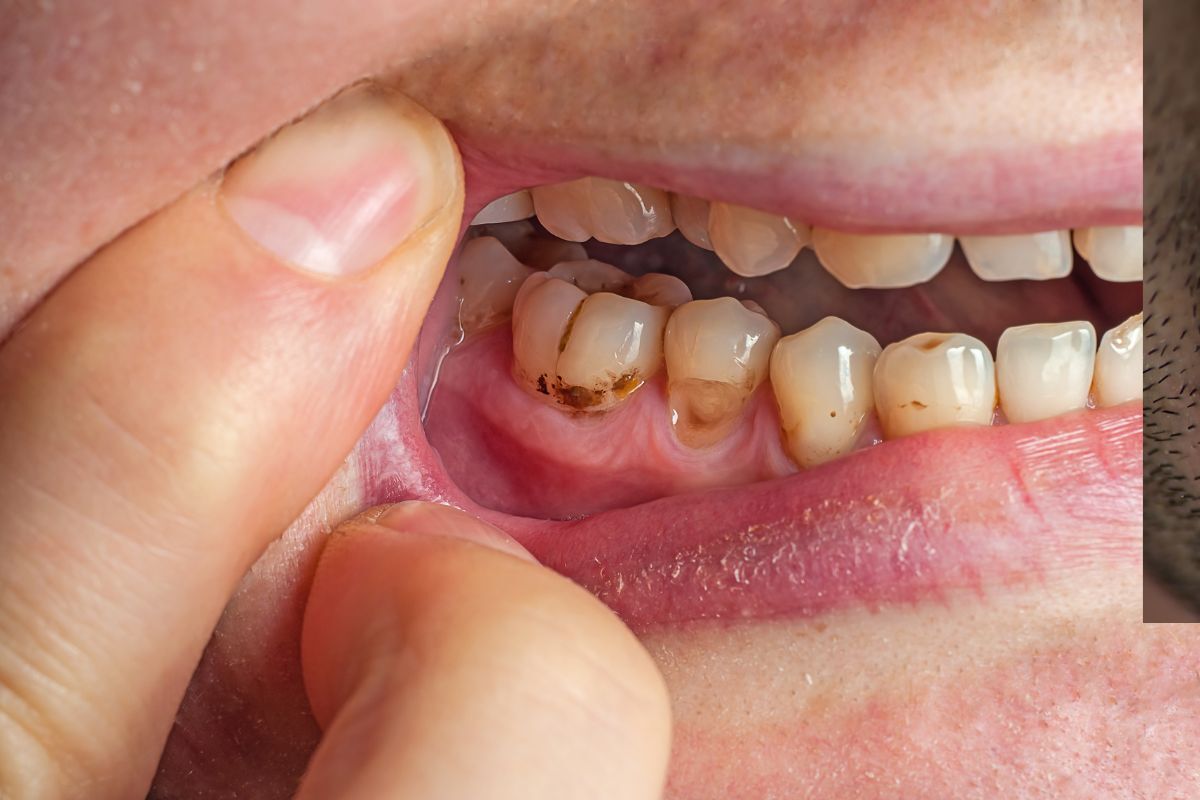
Signs of a cavity can start small, but ignoring them may allow tooth decay to grow deeper. A little sensitivity, a rough spot, or discomfort while eating may seem easy to overlook. However, these changes can signal that a tooth needs attention. At One Eleven Dental in Bixby, Dr. Tej Lad and Dr. Cameron Craig help families identify dental problems early and choose appropriate treatment to protect their smiles.
Tooth decay does not always cause noticeable discomfort in its early stages. That makes regular dental exams important, even when your teeth feel fine. In fact, One Eleven Dental recommends routine dental care and regular cleanings because exams can help identify new decay and other concerns before they become more complicated.
Why Early Tooth Decay Can Be Easy to Miss
Tooth decay develops when bacteria in dental plaque produce acids that gradually damage the hard outer layer of a tooth. Over time, this process can create a small damaged area that becomes larger.
At first, you might not notice anything unusual. The tooth may look normal, and you may not experience pain. As the damage progresses, however, changes can become easier to recognize.
Some early warning signs include:
- Increased sensitivity
- Occasional discomfort
- A rough or unusual spot on a tooth
- White, brown, or dark areas
- Food repeatedly getting stuck in one location
- Mild discomfort when eating sweets
Not every symptom automatically means decay. Still, a dental examination can help determine the cause.
Why Waiting Can Make Treatment More Difficult
Small areas of decay may require a relatively simple filling. If decay continues to spread, however, it can damage more of the tooth and potentially require more extensive treatment.
One Eleven Dental explains that early treatment can reduce the chance of painful toothaches and potential dental emergencies later. The practice provides fillings to repair teeth affected by decay.
For anyone searching for a Bixby dentist, One Eleven Dental offers family and general dental care, including fillings, routine exams, emergency dental services, and restorative treatments. Dr. Tej Lad and Dr. Cameron Craig focus on comfortable, thoughtful care while helping patients understand their treatment options.
7 Signs of a Cavity You Shouldn’t Ignore
Not every tooth problem looks or feels the same. However, several symptoms deserve attention.
1. Tooth Sensitivity
Sensitivity can develop when the protective outer layer of the tooth becomes weakened.
You may notice discomfort when consuming:
- Ice cream
- Cold water
- Hot coffee
- Tea
- Sweet foods
- Very acidic drinks
Occasional sensitivity does not always mean decay. It can also relate to gum recession, worn enamel, or other dental conditions.
However, new or persistent sensitivity deserves an evaluation, particularly when it affects one specific tooth.
2. Tooth Pain
Pain is one of the more noticeable warning signs.
A tooth may hurt when you:
- Bite down
- Chew food
- Drink something cold
- Eat something hot
- Consume sweets
- Touch the area
Do not assume that pain will disappear permanently just because it becomes less noticeable.
A tooth that hurts may have decay, a crack, an infection, or another problem that requires treatment.
3. White Spots on the Tooth
A white or chalky-looking area can sometimes indicate early mineral loss.
At this stage, the tooth may not have a visible hole. However, the change can signal that the enamel has started losing minerals.
Early attention gives your dentist an opportunity to evaluate the area and recommend appropriate preventive care.
4. Brown, Black, or Dark Areas
A dark spot on a tooth can have several causes.
It may result from:
- Tooth decay
- Staining
- Certain foods or drinks
- Tobacco use
- Natural changes in the tooth
You cannot reliably determine the cause by looking at the tooth in a mirror.
If a new dark area appears, especially alongside sensitivity or pain, have a dentist examine it.
5. A Visible Hole or Pit
A visible hole in a tooth can indicate that decay has progressed.
You might notice the area while brushing or flossing. Sometimes your tongue may detect a small indentation before you can see it clearly.
Do not poke the area or attempt to fill it yourself.
A dentist can examine the tooth and determine how much damage has occurred.
6. Food Keeps Getting Stuck
If food repeatedly becomes trapped between the same teeth or around one particular tooth, something may have changed.
Possible causes include:
- A cavity
- A broken filling
- A cracked tooth
- A change in tooth position
- Gum problems
- An open contact between teeth
If the problem continues, mention it during your dental appointment.
7. Bad Breath or an Unpleasant Taste
Persistent bad breath or a strange taste in your mouth can have many causes.
For example, these symptoms may relate to:
- Plaque buildup
- Gum disease
- Tooth decay
- An oral infection
- Food trapped between teeth
- Dry mouth
Because several conditions can produce similar symptoms, professional evaluation can help identify the underlying cause.
Why a Cavity May Not Hurt at First
Many people assume that tooth decay always causes pain. It does not.
The outer enamel contains no nerves. Therefore, early damage may not create noticeable discomfort.
As decay moves deeper toward the inner portions of the tooth, symptoms may become more obvious.
That is why waiting for pain can allow a dental problem to progress.
Regular exams can help your dentist identify areas of concern before you notice symptoms yourself.
How Dentists Check for Tooth Decay
A dental examination usually involves more than simply looking at your teeth.
Your dentist may:
Examine Your Teeth and Gums
The dental team checks for visible changes, damaged areas, plaque buildup, gum concerns, and other signs of oral health problems.
Ask About Symptoms
Tell your dentist about any changes you have noticed.
Useful details include:
- When the sensitivity started
- Which tooth bothers you
- What triggers discomfort
- Whether the pain comes and goes
- Whether chewing causes pain
- Whether food gets stuck in the area
Take Dental X-rays When Needed
Some decay develops between teeth or underneath surfaces that are difficult to examine directly.
X-rays can help the dentist identify areas that may not be visible during a standard visual examination.
One Eleven Dental states that new patient examinations may include X-rays, along with a complete examination of the teeth and gums and a check for cavities or early tooth decay.
What Happens if You Have a Cavity?
Treatment depends on the size, depth, and location of the damaged area.
Small Areas of Decay
A filling may restore a tooth affected by relatively limited decay.
The dentist removes the damaged portion and fills the space with a restorative material. This helps restore the tooth’s shape and function.
More Extensive Damage
When decay affects a larger portion of the tooth, a filling may not provide enough protection.
In some cases, your dentist may recommend a crown to protect the remaining tooth structure.
One Eleven Dental notes that crowns can help restore teeth weakened by decay, teeth that cannot hold a filling, and teeth that have undergone root canal treatment.
Deep Decay
If decay reaches the inner part of the tooth and affects the pulp, root canal therapy may become necessary.
The goal is to remove the infected or damaged tissue, clean the inside of the tooth, and preserve the natural tooth whenever possible.
The earlier you address decay, the more likely you are to have simpler treatment options.
When Tooth Decay Becomes an Emergency
Not every cavity requires emergency care. However, severe symptoms can indicate that a dental problem has progressed.
Seek prompt dental attention if you experience:
- Severe or persistent tooth pain
- Significant facial swelling
- Swelling around the gums
- Fever along with dental pain
- Difficulty swallowing
- Difficulty breathing
- A tooth that breaks suddenly
- Pain that prevents you from sleeping or eating
If swelling affects your ability to breathe or swallow, seek emergency medical care immediately.
Why Children Can Develop Cavities Too
Tooth decay can affect people of every age, including children.
Children may face additional challenges because they are still learning consistent brushing and flossing habits. They may also consume snacks and drinks throughout the day.
Parents should watch for:
- Tooth sensitivity
- Visible spots
- Food getting stuck
- Complaints about tooth pain
- Avoiding certain foods
- Pain while brushing
- Changes in eating habits
One Eleven Dental offers kid-friendly dentistry as part of its family dental services, including exams and preventive care.
How to Lower Your Risk of Tooth Decay
You cannot control every factor that contributes to cavities, but daily habits can reduce your risk.
Brush Twice a Day
Brush your teeth for about two minutes each time using fluoride toothpaste unless your dental professional recommends otherwise.
Pay attention to all tooth surfaces, including areas near the gumline.
Clean Between Your Teeth
A toothbrush cannot reach every area between teeth.
Use floss or another dentist-recommended interdental cleaner to remove plaque and food from these spaces.
Limit Frequent Sugary Snacks
The frequency of sugar exposure matters.
Instead of constantly sipping sweet beverages or snacking throughout the day, try to limit how often your teeth come into contact with sugary foods and drinks.
Drink Water
Water can help rinse away food particles and support saliva production.
Choosing water instead of sugary drinks can also reduce frequent exposure to sugar.
Keep Routine Dental Visits
Daily brushing and flossing matter, but they do not replace professional examinations.
One Eleven Dental recommends routine dental care and two cleanings each year as part of ongoing preventive care. Regular visits can help detect new decay and other concerns early.
What If You Do Not Have Any Symptoms?
You should still maintain regular dental appointments.
Early decay may not cause pain, sensitivity, or visible changes. A professional examination can identify problems that you cannot see or feel.
This is particularly important if you have a history of cavities or other factors that increase your risk.
A symptom-free mouth does not necessarily mean that everything is perfect.
How One Eleven Dental Can Help
Getting dental treatment early can make the experience simpler and more manageable.
At One Eleven Dental in Bixby, the team provides general family dentistry along with fillings, routine dental care, emergency dental services, crowns, root canal therapy, and other restorative treatments.
Dr. Tej Lad earned his Doctor of Dental Surgery degree from the University of Oklahoma College of Dentistry and has practiced dentistry since 2003. He emphasizes building relationships with patients and helping them feel comfortable.
Dr. Cameron Craig is a Tulsa native and second-generation dentist. He graduated from the University of Oklahoma College of Dentistry and focuses on gentle, comfortable care while emphasizing compassion and clear communication.
That focus can be especially helpful if you feel nervous about dental treatment or have delayed care because you were worried about what a dentist might find.
The Bottom Line
Signs of a cavity can range from sensitivity and discoloration to tooth pain, visible pits, food getting stuck, or an unusual taste. However, tooth decay does not always cause obvious symptoms at first. That is why routine dental exams remain an important part of protecting your smile.
If you notice a new change in a tooth, do not wait for severe pain before taking action. Early evaluation may allow your dentist to treat the problem with a simpler restoration and help prevent more extensive damage.
For families and individuals in Bixby, One Eleven Dental provides preventive and restorative dental care with a focus on comfort and clear communication. Dr. Tej Lad and Dr. Cameron Craig can evaluate your concerns and help you understand the appropriate treatment options.
Schedule your appointment with One Eleven Dental to address your dental concerns before they become more serious.