
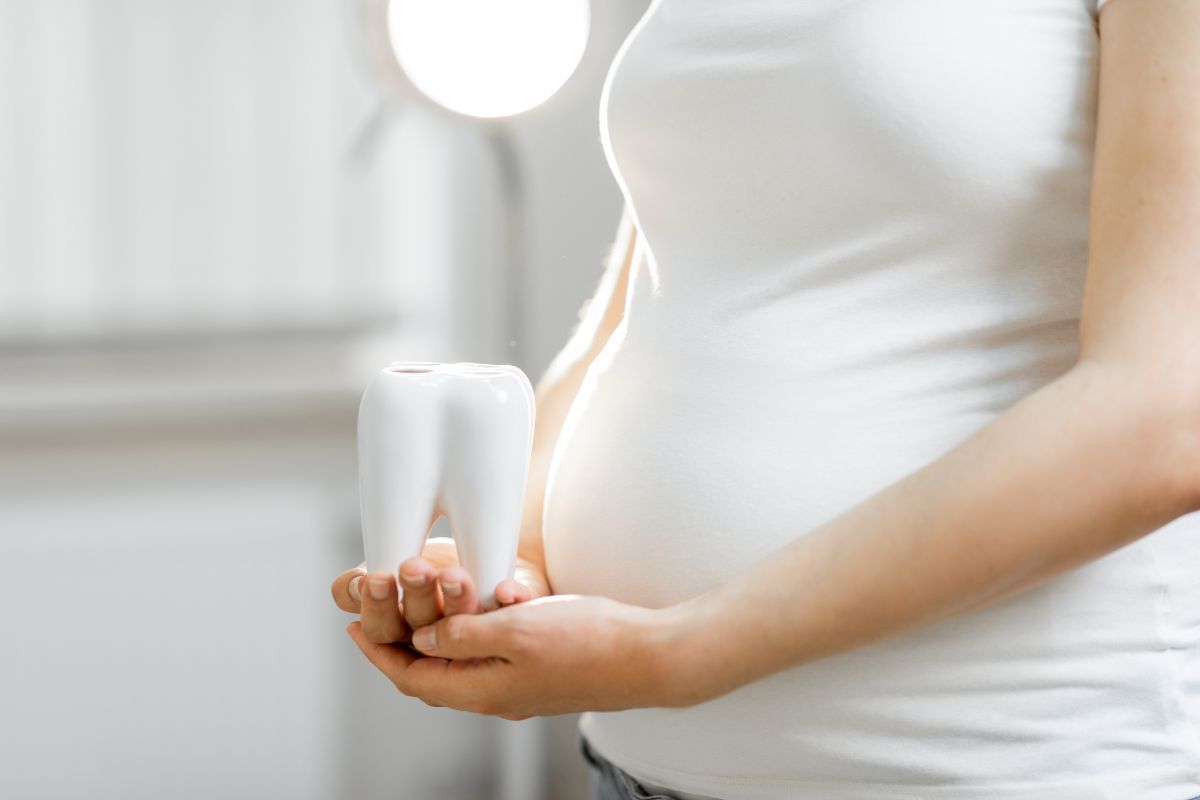
Oral health during pregnancy plays an important role in supporting both the mother’s well-being and the baby’s development. Pregnancy brings many physical changes, including hormonal shifts that can affect the teeth and gums. Many expectant mothers notice bleeding gums, increased sensitivity, or changes in their mouth during these months. At One Eleven Dental in Bixby, we understand that pregnancy is a unique time, and we are committed to helping mothers maintain healthy smiles with personalized dental care. Knowing what changes to expect and how to care for your teeth can help you enjoy a healthier pregnancy while reducing the risk of dental complications.
Although many women focus on prenatal care, dental health deserves equal attention. Understanding oral health during pregnancy allows you to recognize early warning signs, protect your smile, and make informed decisions throughout every stage of pregnancy.
How Pregnancy Affects Your Mouth
Pregnancy hormones, especially estrogen and progesterone, increase blood flow throughout the body. As a result, your gums become more sensitive and react more strongly to plaque. Even small amounts of plaque can trigger inflammation during pregnancy.
At the same time, changing eating habits, frequent snacking, morning sickness, and fatigue may make daily brushing and flossing more difficult. Together, these factors increase the likelihood of dental problems if preventive care is overlooked.
Common changes include:
- Swollen gums
- Bleeding while brushing
- Increased tooth sensitivity
- Dry mouth
- Higher cavity risk
- Changes in saliva production
Fortunately, most of these issues improve with proper care and regular dental checkups.
Common Oral Health Changes During Pregnancy
Pregnancy affects every woman differently. Some women experience only mild symptoms, while others develop more noticeable dental concerns.
If you have questions about oral health during pregnancy, our Bixby dentist at One Eleven Dental provides personalized preventive care and guidance to help expectant mothers protect their smiles throughout pregnancy.
Pregnancy Gingivitis
One of the most common dental conditions during pregnancy is pregnancy gingivitis. Hormonal changes make the gums more reactive to plaque, causing redness, swelling, and bleeding.
Signs include:
- Tender gums
- Bleeding during brushing or flossing
- Swollen gum tissue
- Mild discomfort
Without treatment, gingivitis may progress into more advanced gum disease.
Pregnancy Tumors
Despite the name, pregnancy tumors are not cancerous. These small growths develop on the gums because of increased inflammation and hormone changes.
They may:
- Bleed easily
- Feel tender
- Interfere with chewing
- Disappear after delivery
A dentist will determine whether treatment is necessary.
Tooth Sensitivity
Some pregnant women notice discomfort when eating hot, cold, or sweet foods. This sensitivity often results from gum inflammation or enamel wear caused by stomach acid from morning sickness.
Using fluoride toothpaste and maintaining regular dental care can help reduce sensitivity.
Dry Mouth
Hormonal changes may reduce saliva production, leaving the mouth feeling dry.
Dry mouth increases the risk of:
- Cavities
- Gum irritation
- Unpleasant mouth odor
Drinking water frequently and limiting sugary drinks can help maintain moisture.
Morning Sickness Can Affect Your Teeth
Morning sickness exposes the teeth to stomach acid, which gradually weakens enamel. Brushing immediately after vomiting may actually increase enamel wear because the acid temporarily softens the tooth surface.
Instead, dentists recommend:
- Rinsing with water immediately
- Rinsing with water mixed with a small amount of baking soda
- Waiting about 30 minutes before brushing
- Using fluoride toothpaste
These simple habits help protect enamel during pregnancy.
Why Oral Health During Pregnancy Matters for Overall Health
Many people assume dental concerns affect only the mouth. However, healthy gums contribute to overall wellness during pregnancy.
Untreated gum disease has been associated with certain pregnancy complications, although many factors influence these outcomes. Maintaining healthy gums supports overall health and helps reduce unnecessary inflammation.
In addition, healthy teeth allow expectant mothers to maintain proper nutrition, which supports both maternal and fetal health.
Is It Safe to See the Dentist During Pregnancy?
Yes. Routine dental care remains an important part of prenatal health.
Dentists commonly recommend preventive care throughout pregnancy because delaying treatment may allow small problems to become larger ones.
Safe dental services often include:
- Comprehensive dental examinations
- Professional cleanings
- Digital X-rays when necessary using appropriate protection
- Fillings for cavities
- Emergency dental treatment
Always inform your dental team about your pregnancy, expected due date, and any medications you are taking.
The Best Time for Routine Care
Although dental care is generally safe throughout pregnancy, many routine procedures are often most comfortable during the second trimester.
However, emergencies should never be postponed simply because you are pregnant.
Daily Tips for Maintaining Oral Health During Pregnancy
Consistent home care helps reduce the risk of dental problems throughout pregnancy.
Brush Twice Every Day
Brush for at least two minutes using a soft-bristled toothbrush and fluoride toothpaste.
Floss Daily
Floss removes plaque between teeth where toothbrushes cannot reach.
Drink Plenty of Water
Water helps wash away food particles and supports healthy saliva production.
Choose Healthy Snacks
Nutritious foods support stronger teeth and gums.
Good choices include:
- Cheese
- Yogurt
- Fresh vegetables
- Apples
- Nuts
- Leafy greens
Limiting sugary snacks helps reduce cavity risk.
Keep Regular Dental Appointments
Professional cleanings remove hardened plaque that cannot be eliminated with brushing alone.
Regular examinations also allow your dentist to detect concerns before they become more serious.
Warning Signs You Should Not Ignore
Although mild gum changes are common, certain symptoms deserve prompt attention.
Contact your dentist if you experience:
- Persistent gum bleeding
- Severe tooth pain
- Loose teeth
- Swelling that worsens
- Pus near the gums
- Facial swelling
- Broken teeth
- Difficulty chewing
Early treatment often prevents more extensive dental procedures later.
Frequently Asked Questions
Can pregnancy cause cavities?
Yes. Frequent snacking, morning sickness, dry mouth, and changes in oral hygiene habits can increase cavity risk during pregnancy.
Should I delay dental treatment until after delivery?
No. Routine dental care and necessary treatment help prevent small problems from becoming larger concerns.
Can I have dental X-rays while pregnant?
When necessary, modern digital dental X-rays with appropriate protective shielding are considered safe during pregnancy. Your dentist will recommend them only when clinically appropriate.
Does pregnancy permanently damage teeth?
Pregnancy itself does not weaken teeth permanently. Most dental concerns develop because of hormonal changes, plaque buildup, dietary habits, or acid exposure, all of which can be managed with preventive care.
Maintaining oral health during pregnancy benefits both you and your growing baby. Hormonal changes may increase your risk of gum inflammation, tooth sensitivity, and cavities, but consistent home care and regular dental visits can help prevent these problems. At One Eleven Dental, we proudly support expectant mothers with compassionate, personalized dental care in Bixby. If you are pregnant or planning a pregnancy, schedule your appointment with our team today for professional care that keeps your smile healthy throughout every stage of pregnancy.